Popups: The VIP Pass to Scoring Luxe for Less

Popups: The VIP Pass to Scoring Luxe for Less
by Thea Elle | March, 27, 2025 | Luxury Industrial Complex
Pop-up shops have come a long way from their humble, market-stall origins. Once considered the scrappy little cousins of established retail, these short-term stores have evolved into sophisticated marketing tools and immersive brand showcases. The concept may seem simple—appear temporarily, sell something unique, disappear—but its execution has become anything but basic. In today's fast-paced, experience-driven economy, pop-ups don’t just sell products. They sell stories, provoke curiosity, and spark consumer action in ways traditional brick-and-mortar shops simply can’t match.
Luxury fashion houses, in particular, have transformed the pop-up concept into high art. What started as an underground trend fueled by independent designers quickly caught the attention of heavy hitters like COMME DES GARÇONS, PRADA, and GUCCI. These brands understood early on that modern consumers crave exclusivity and surprise—and nothing delivers that quite like a limited-time boutique that might be gone tomorrow. With the right styling and storytelling, a pop-up becomes more than just a store; it becomes an event, a destination, and a cultural moment that draws lines around the block.
Outside of fashion, the pop-up concept has taken root across industries from tech to food to art. Michelin-star chefs use pop-ups to experiment with menus and reach new audiences. Tech companies launch immersive demos in urban hubs. Even fine artists are turning pop-up galleries into places where patrons can interact with works beyond the white walls of traditional institutions. What unites all these efforts is the appeal of immediacy and intimacy—the sense that something special is happening, and you’re one of the few who get to experience it firsthand.
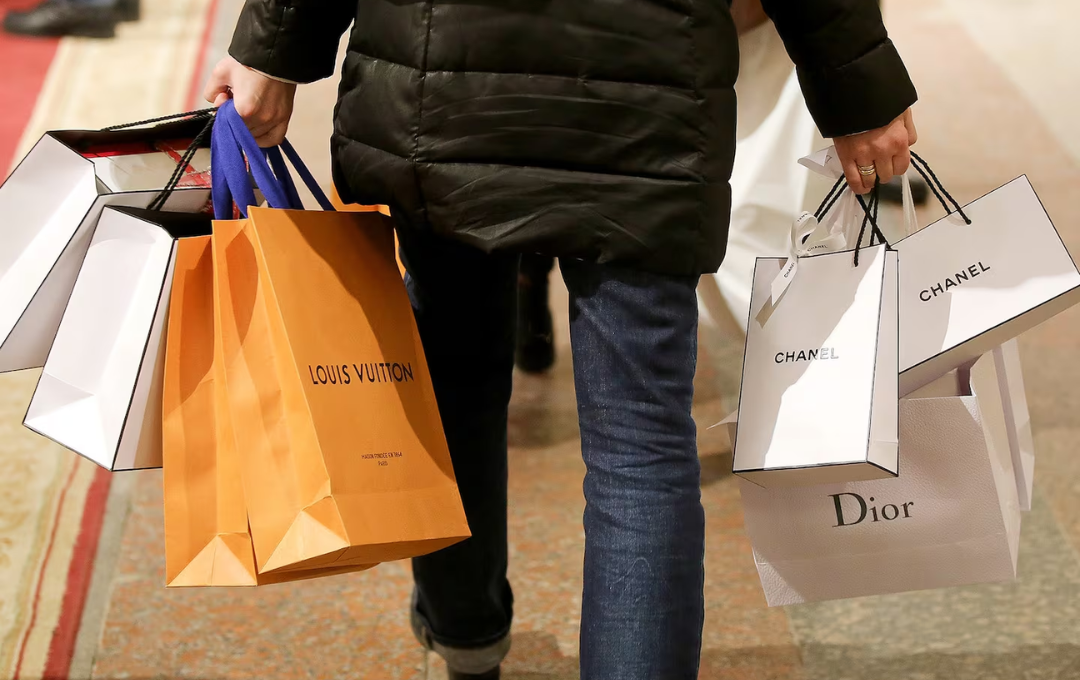
How Popups Keep You Dripping in Luxury (Without the Guilt)
While pop-ups feel distinctly modern, their DNA is centuries old. In the earliest markets and seasonal fairs, merchants would build temporary stalls to sell their wares during festivals or public celebrations. These were the original pop-up shops—agile, opportunistic, and rooted in community. These humble beginnings laid the groundwork for a retail format that thrives on foot traffic, surprise, and the perfect timing.
In the early 2000s, this idea reemerged in a dramatically different form. With skyrocketing real estate prices and a growing appetite for unique retail experiences, cities like New York and London became fertile ground for a new breed of shop. Independent designers, artists, and fashion upstarts saw pop-ups as an affordable, flexible way to test new markets and connect with audiences face-to-face. They didn’t need years-long leases or multimillion-dollar fit-outs—just a short-term space and a big idea.
The fashion world quickly caught on. COMME DES GARÇONS revolutionized the trend with their guerrilla stores, intentionally choosing obscure, often gritty locations for ultra-limited runs. These shops were raw, experimental, and perfectly attuned to the aesthetic of scarcity. It wasn’t about permanence—it was about presence. Other luxury labels like LOUIS VUITTON and CHANEL followed suit, using the format to create buzz around new collections and tap into that all-important feeling of being in the know.
The Pop-Up as Marketing Power Move
As pop-ups became more common, brands realized their power went far beyond selling products. These temporary stores were not just retail outlets—they were campaigns. With lower overhead and quicker setup times, pop-ups became the ideal vehicle for launching new product lines, generating press, and producing content for social media. A pop-up wasn't just a shop; it was a stage for brand storytelling in real-time.
This shift transformed how brands approached customer engagement, making experiences more immersive, exclusive, and interactive. Companies began to design pop-ups with Instagrammable moments in mind, curating spaces that invited visitors to linger, share, and participate in the narrative. These experiential activations often blended elements of art, entertainment, and hospitality, creating a sense of urgency and excitement that traditional retail could rarely replicate. The ephemeral nature of pop-ups fueled a fear of missing out (FOMO), drawing crowds eager to be part of something unique and fleeting. In many cases, the buzz surrounding a pop-up became more valuable than the revenue generated on-site, as brands prioritized impact, visibility, and cultural relevance over direct sales. As a result, pop-ups evolved from mere sales tools into powerful expressions of brand identity, allowing companies to test ideas, gather feedback, and build deeper emotional connections with their audience.
Exclusivity Meets Immediacy: The New Urge to Splurge
Pop-ups are expertly designed to create urgency. The knowledge that a store will vanish in a matter of days or weeks taps directly into the psychology of FOMO—fear of missing out. That sense of scarcity fuels a buying impulse that's hard to ignore. It's not just about finding something beautiful; it’s about finding something rare, something most people won’t have access to. Limited-run CHANEL pieces, GUCCI sneakers available only during a pop-up drop, or HERMÈS summer collections in beach towns—these aren’t just items, they’re trophies.
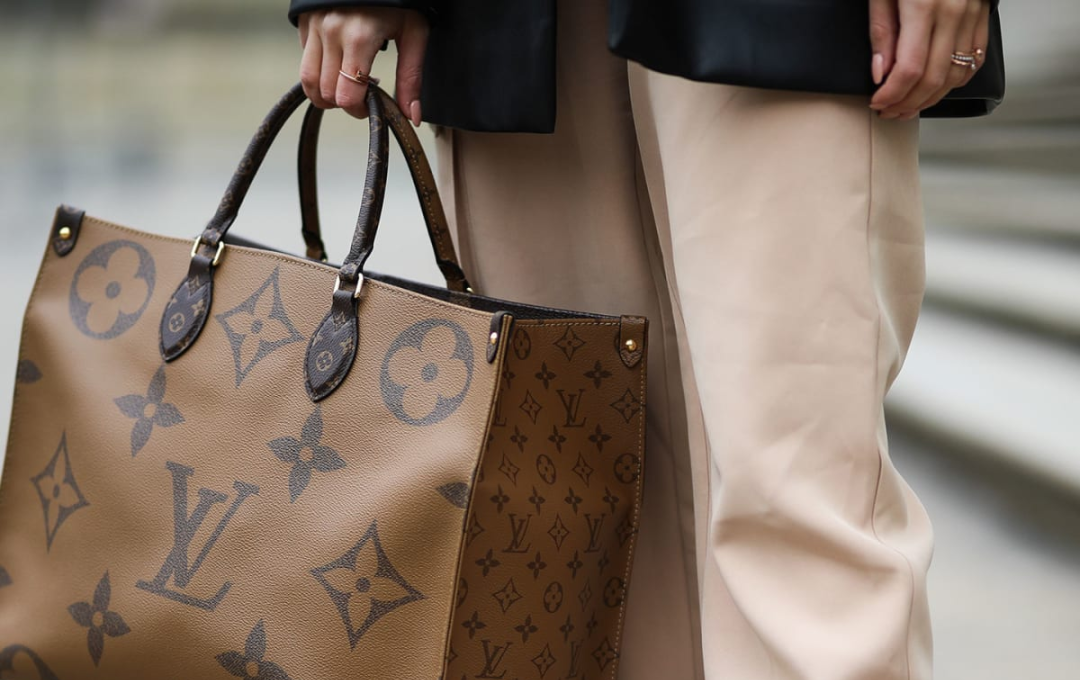
Spin the Wheel, Steal the Deal
A Platform for Conscious Retail
As consumers become more ethically and environmentally conscious, brands are responding—and pop-ups are proving to be powerful platforms for showcasing sustainable values. From upcycled materials and plastic-free packaging to educational installations about slow fashion, pop-up spaces allow eco-conscious labels to make bold, immersive statements. These stores become both retail hubs and awareness campaigns, giving customers a way to shop with purpose.
The Pop-Up Legacy: Here to Stay
For a format built on impermanence, the pop-up shop has shown remarkable staying power. Its ability to adapt and evolve with consumer trends has made it indispensable for brands big and small. Whether it’s FENDI dropping a surprise capsule in Milan or a grassroots brand launching its debut in Shoreditch, the formula works: create a buzz, deliver an experience, and disappear just as the crowd peaks.
As retail continues to shift and customer expectations rise, pop-ups offer something that algorithms and endless scrolling can’t—a moment of genuine excitement. They restore a sense of discovery to shopping. And in a world obsessed with convenience, that feeling of stumbling upon something rare, stylish, and fleeting? That’s what makes pop-ups magic.