Designed to Offend: How Luxury Uses Price Tags to Go Viral

Designed to Offend: How Luxury Uses Price Tags to Go Viral

Luxury never lingers. It just pops.

“Pop-Up.” Quick, catchy, a little bit chaotic. But behind the whimsy lies a well-oiled machine: branded temples disguised as temporary fun, where fashion, art, and marketing blur into one glossy hallucination.

Designed to Offend: How Luxury Uses Price Tags to Go Viral

by Thea Elle | July 27, 2025 | Luxury Bags

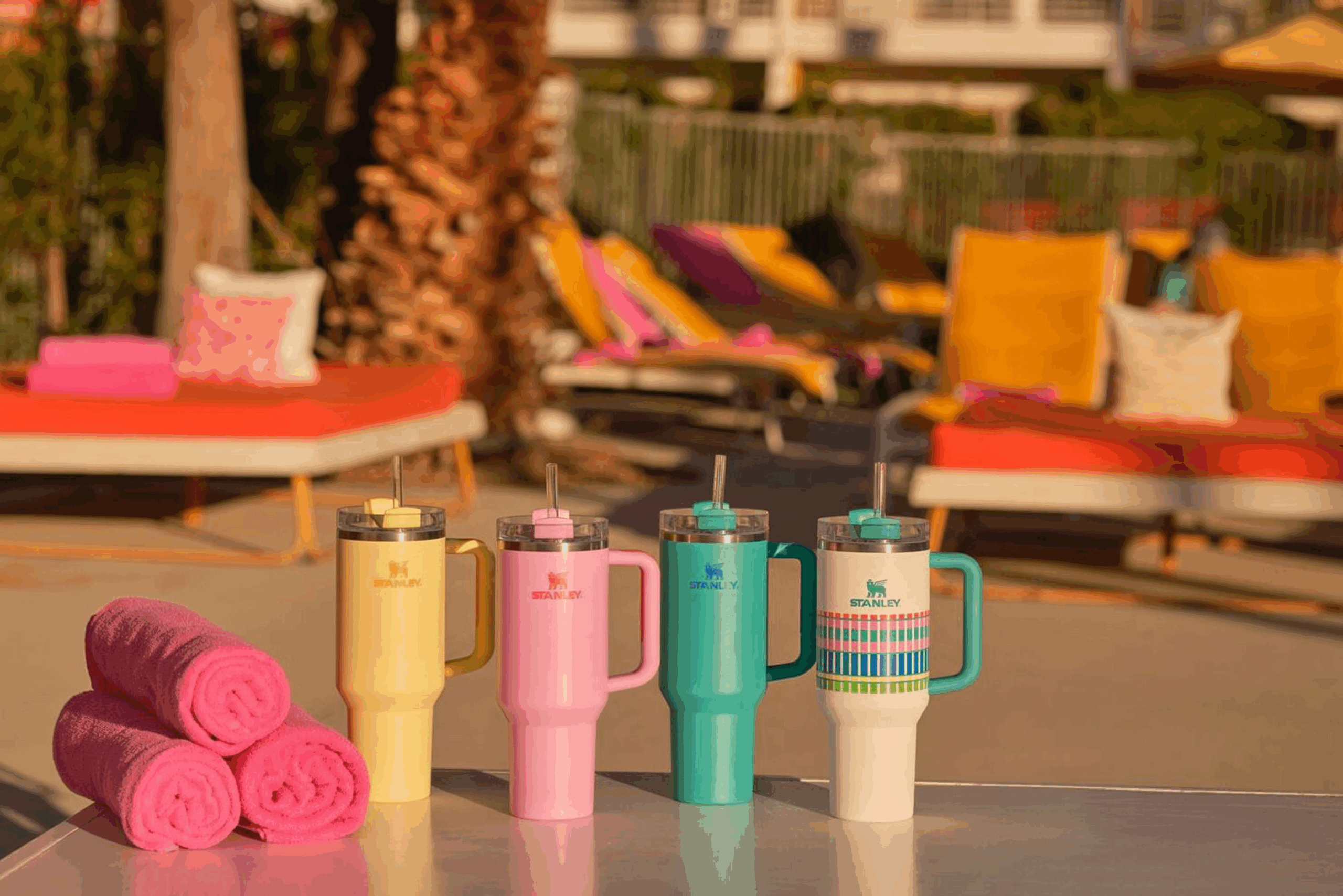
It’s not really about carrying water or holding your keys. It’s about sending a message. Whether it’s a rare-color Stanley or a luxury bag that costs more than your rent, the goal isn’t function—it’s attention. The steeper the price, the stronger the response. Outrage spreads fast, and every share or snarky comment only adds fuel. These aren’t everyday items. They’re conversation starters in designer packaging.
The new status symbol is a pastel cart, a perfect scoop, and a logo you can lick.

The High Price of Going Viral

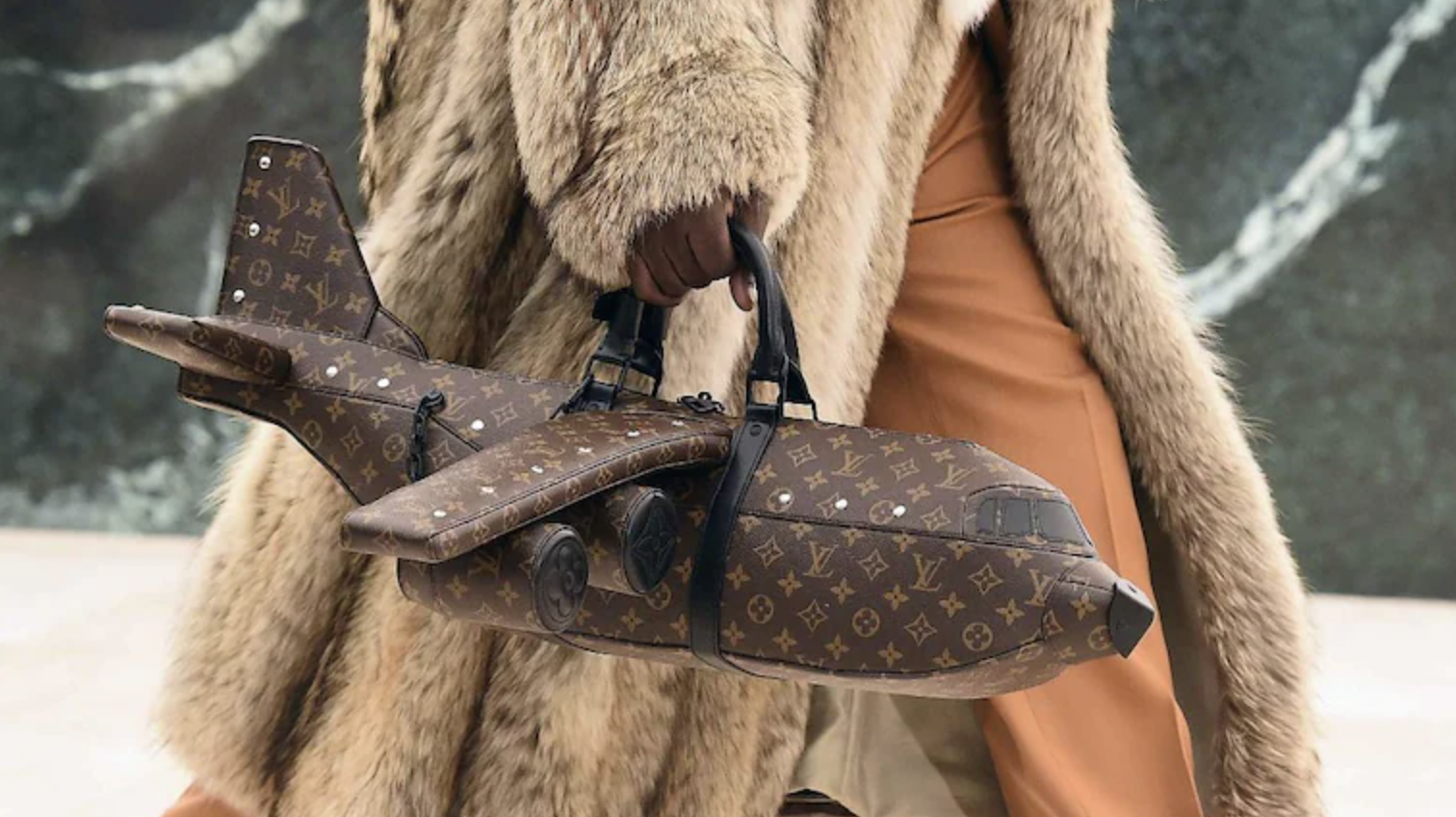
Luxury used to whisper. Now it shouts. The new wave of high-end design isn’t about elegance or subtlety. It is crafted for shock. A handbag that looks like a paper lunch sack or a stainless steel water bottle that costs more than a flight to Paris is not a mistake. It is intentional. These products are not made to be used. They are made to be noticed.

In a culture where attention means power, outrage is its own marketing plan. If a design sparks ridicule, memes, or a flurry of think pieces, it has already succeeded. Being talked about matters more than being admired. That is the real product.
If you're a luxury brand enthusiast on a budget, check out PURSE POP UP LIVE. You will only find better deals, with up to 90% off retail on authentic, high-quality products. Trust our quality satisfaction guarantee and 99 % satisfied customers since 2018 speak for themselves. Take advantage of this hidden gem!
FENDI’s Roman Holiday Scoops

Ridiculous by Design

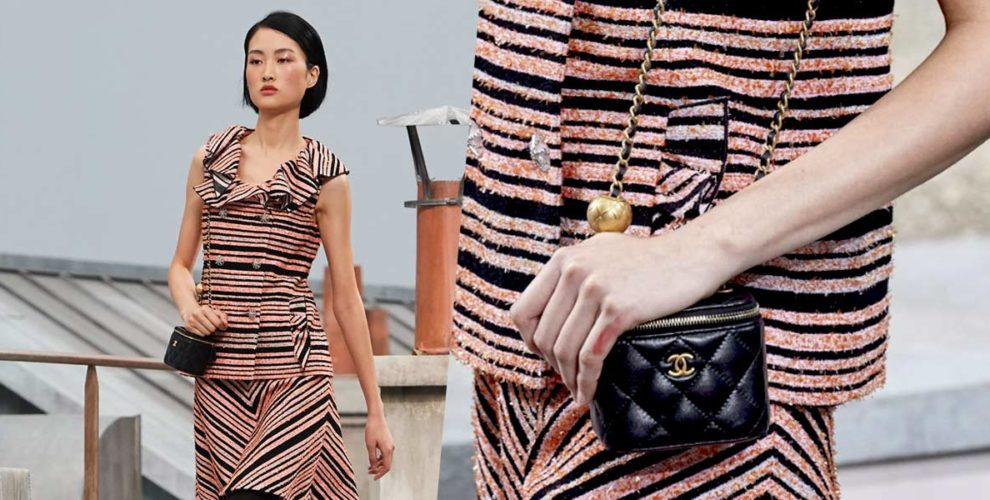
Luxury fashion has always flirted with the surreal, but now it fully embraces the absurd. A purse that resembles a potato chip bag or a clutch that couldn’t possibly hold more than a single coin isn’t a design error—it’s the point. These objects are status symbols disguised as in-jokes, pieces that gain power precisely because they abandon traditional ideas of usefulness. If it turns heads, sparks confusion, or gets reposted on social media, it’s doing its job.

What makes these items so coveted isn’t the material or the craftsmanship, but the message they send. Owning something outrageously priced and bafflingly designed signals that you operate on a different plane of consumption. You’re not buying the bag to carry things. You’re buying into a narrative of audacity, exclusivity, and visibility. When logic takes a backseat, spectacle takes the wheel—and luxury brands are all too happy to drive.
GUCCI made gelato the new luxury must-have. One pastel scoop at a time.

From Ridicule to Reverence

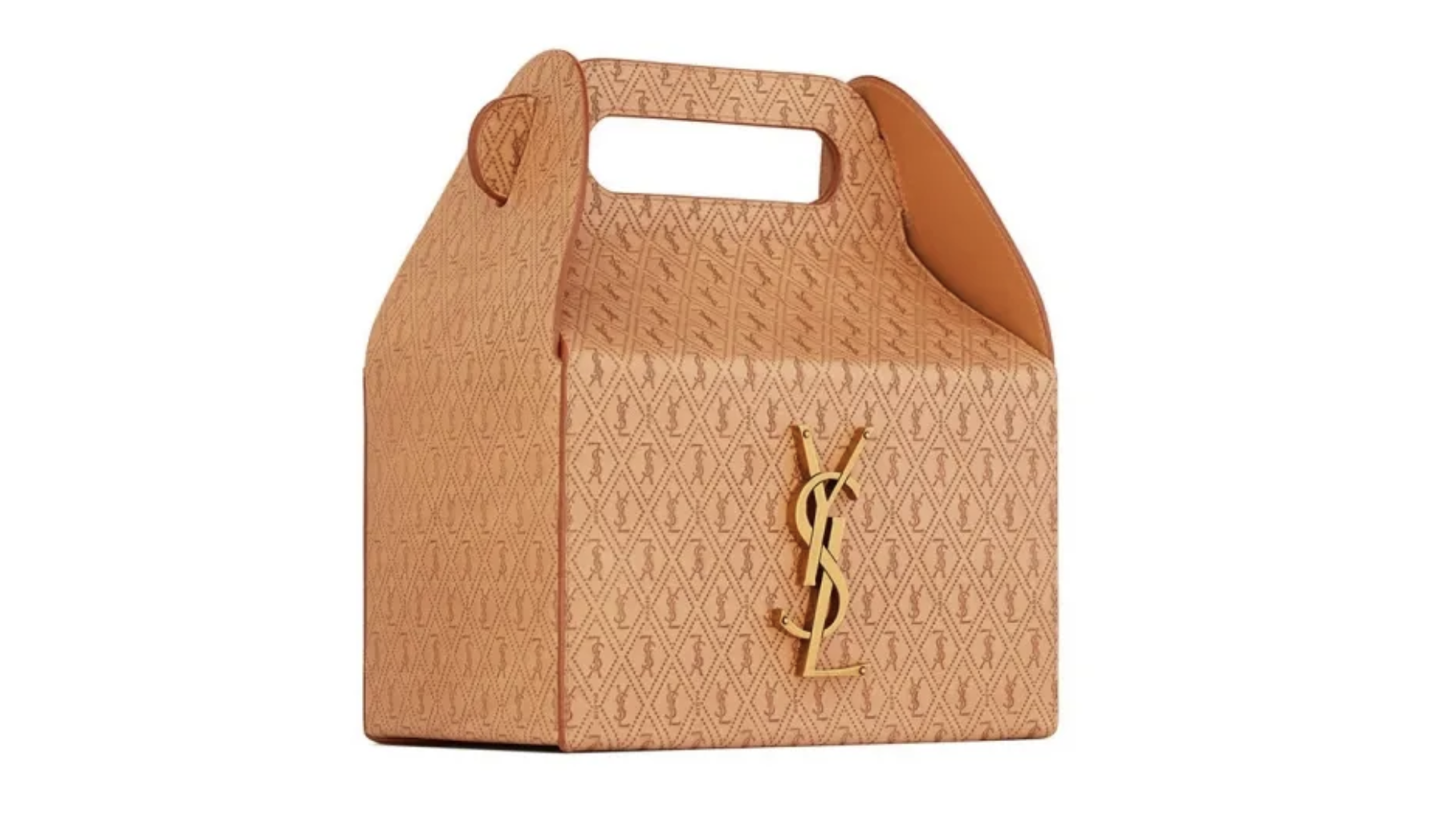
A $3,000 handbag shaped like a school lunchbox or a designer water bottle sling might seem like a fashion spoof at first glance. These objects toe the line between art piece and parody, the kind of thing you'd expect to see on a runway as commentary rather than a product meant for actual purchase. But in the age of aesthetic feeds and influencer endorsements, irony doesn’t stand a chance. Once filtered, styled, and posted, the absurd becomes aspirational.

As these items circulate through reels, TikToks, and flat lays, their oddity begins to soften. The repetition works like hypnosis—what once read as satire now signals taste. A microbag that can’t fit anything becomes a flex, not a flaw. A cup with a resale waitlist becomes a statement piece, not a hydration tool. Slowly but surely, the internet reframes the ridiculous as required. And before we know it, we’re not laughing at the joke. We’re wearing it.
PRADA’s Conceptual Cone

Built for the Feed, Not the Function

In luxury fashion today, the goal isn’t to blend in—it’s to stand out, no matter how impractical that looks. A slouchy tote that mimics a paper bag or a purse too small to hold more than a coin isn’t a design failure. It’s a statement, engineered for impact. These items aren’t solving problems; they’re starting conversations. The more visually confusing they are in real life, the more they shine on camera. In a landscape ruled by likes and reposts, a bold silhouette is worth more than a functional one.

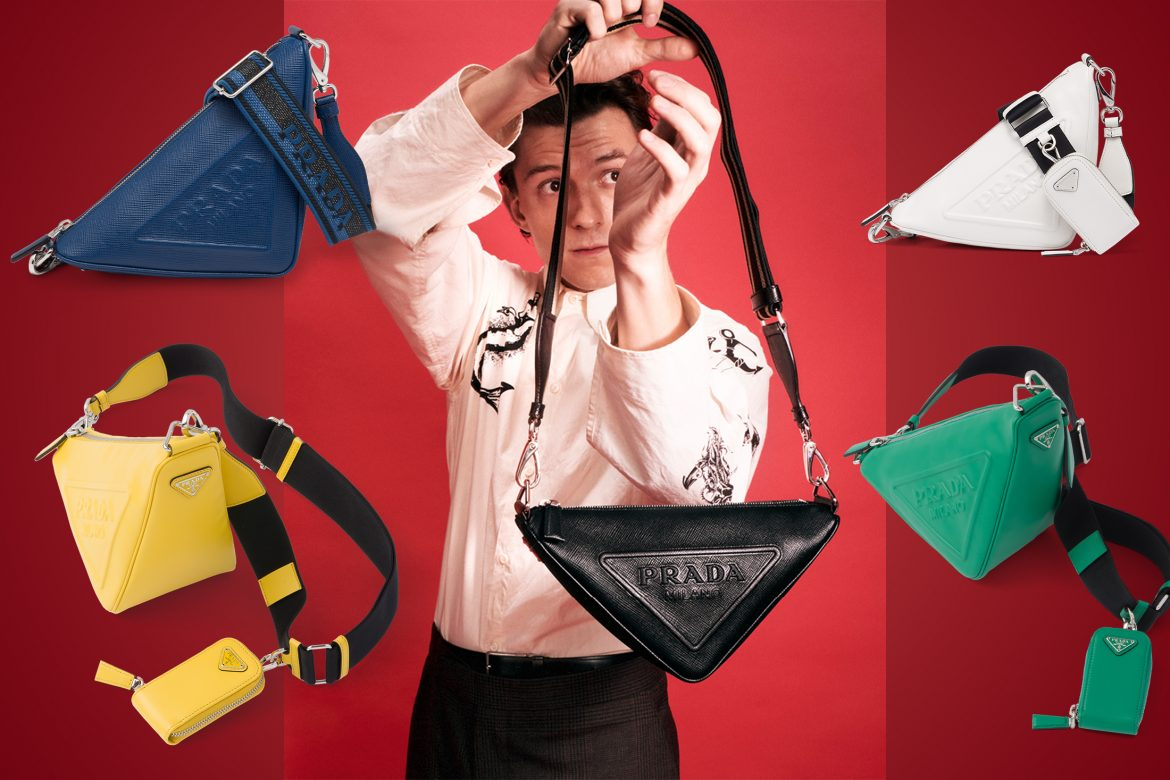
Look no further than the Stanley cup. Originally built for durability, it’s been reborn as a lifestyle essential—obsessively collected, accessorized, and styled into personal branding. Prada saw the moment and elevated it with a nylon bottle holder that costs more than your rent. Nobody’s asking if it’s useful. They’re asking where to get one. In this world, value comes from visibility. And if the product is photogenic enough to trend, the price tag can say whatever it wants.
 

Rose on the tongue, jasmine in the air. DIOR turned ice cream into a love letter to femininity.

Viral Over Value

Once upon a time, luxury meant expert tailoring, fine leather, and subtle prestige. Today, it means something that pops in a grid of thumbnails. A purse too small for keys or a cup with couture packaging doesn’t need to make sense—it just needs to go viral. The more impractical or outrageous the item, the more likely it is to be shared, memed, and eventually, desired.

We’ve crossed a threshold where absurdity no longer disqualifies a product—it validates it. If it gets attention, it gains value. These objects weren’t designed for real life. They were designed for engagement. A $600 cup isn’t about drinking water. It’s about being seen holding it. The feed isn’t just where trends live—it’s where meaning is made.


The Luxury of Being Seen

What we’re purchasing isn’t a bag, a bottle, or even a brand. It’s visibility. Relevance. A momentary edge in the algorithm. A monogrammed microbag or a Prada-wrapped Stanley cup doesn’t solve problems; it creates spectacle. These items don’t serve our lives—they serve our online personas. The real function of a $600 water bottle isn’t hydration. It’s validation.

Luxury has always been about illusion, but now that illusion is shaped by the scroll. The smoke comes from ring lights, the mirrors from front-facing cameras. Everything is a performance: the unboxing, the product placement, the caption. Even irony is part of the act. You don’t have to take it seriously—you just have to post it. Because once it’s shared, it’s done its job.

And in this economy of attention, even critique is currency. The louder the backlash, the wider the reach. When we roll our eyes at the absurdity, we amplify it. Outrage becomes advertising. Disbelief becomes demand. So whether we love it or mock it, luxury wins either way. The product isn’t the accessory—it’s the spectacle we all willingly buy into.
Looking to indulge in luxury brands without breaking the bank?
Scoop Dreams: How Designer Gelato Took Over Asia’s Luxury Streets

Scoop Dreams: How Designer Gelato Took Over Asia’s Luxury Streets

Luxury never lingers. It just pops.

“Pop-Up.” Quick, catchy, a little bit chaotic. But behind the whimsy lies a well-oiled machine: branded temples disguised as temporary fun, where fashion, art, and marketing blur into one glossy hallucination.

Scoop Dreams: How Designer Gelato Took Over Asia's Luxury Streets

by Thea Elle | July 2, 2025 | Luxury Bags

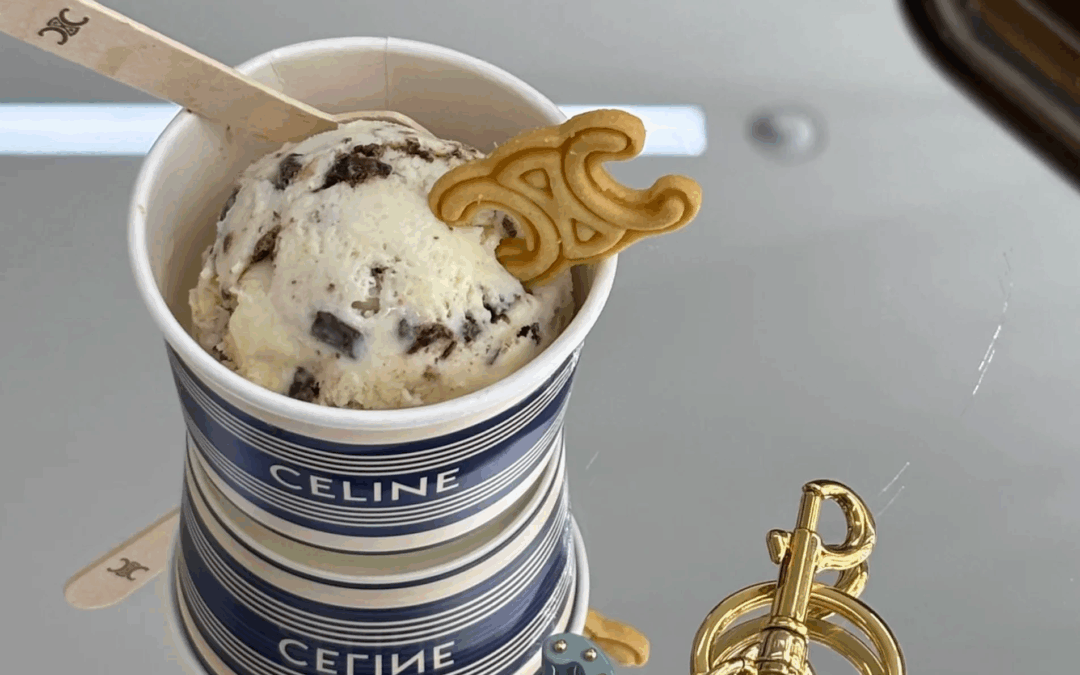
Luxury fashion used to live behind velvet ropes, inaccessible and mysterious. Now? It’s melting into the streets. Literally. In Asia’s most style-obsessed cities, the pinnacle of chic isn’t a monogrammed handbag or a limited-edition loafer. It’s a scoop of designer gelato—served from pastel carts stamped with the same branding as your favorite runway. Seoul, Singapore, Tokyo, Shanghai: these are ground zero for a frozen revolution. Fashion’s most guarded houses are now selling mango gelato next to Maison heritage. The message is clear: luxury doesn’t just want to be worn—it wants to be tasted, posted, and devoured. It’s absurd. It’s brilliant. It’s the future of luxury branding.

The new status symbol is a pastel cart, a perfect scoop, and a logo you can lick.

Branded Bliss: 4 Ice Cream Activations That Became Iconic

This isn’t just dessert. It is fashion theater. Picture pastel carts parked in the world’s most fashionable districts, each one transformed into a mobile moodboard, dripping with heritage logos and seasonal color palettes. Every scoop is more than a treat. It is a statement. A mango gelato embossed with an FF monogram is not food. It is a status symbol melting delicately in a branded paper cup. A pistachio soft serve wrapped in Cruise-season hues is not casual. It is couture for the senses.

Across Asia’s luxury capitals, these ice cream pop-ups have become cultural moments in their own right. They are designed for the camera as much as for the palate. Each activation is meticulously styled. The carts gleam like objets d’art. Staff wear head-to-toe brand uniforms. Flavors are curated to evoke the moods of the runway. Here, luxury sheds its stiff exclusivity and becomes playful, ephemeral, and edible. It is a masterclass in micro-experiences, appearing for a brief moment and then living forever in thousands of Instagram Stories. From Seoul’s neon streets to Bangkok’s luxury malls, the branded scoop has become a passport to the algorithm’s inner circle. Here are four of the most memorable activations. Each one redefines how fashion can be tasted.

If you're a luxury brand enthusiast on a budget, check out PURSE POP UP LIVE. You will only find better deals, with up to 90% off retail on authentic, high-quality products. Trust our quality satisfaction guarantee and 99 % satisfied customers since 2018 speak for themselves. Take advantage of this hidden gem!
FENDI’s Roman Holiday Scoops

FENDI’s Roman Holiday Scoops

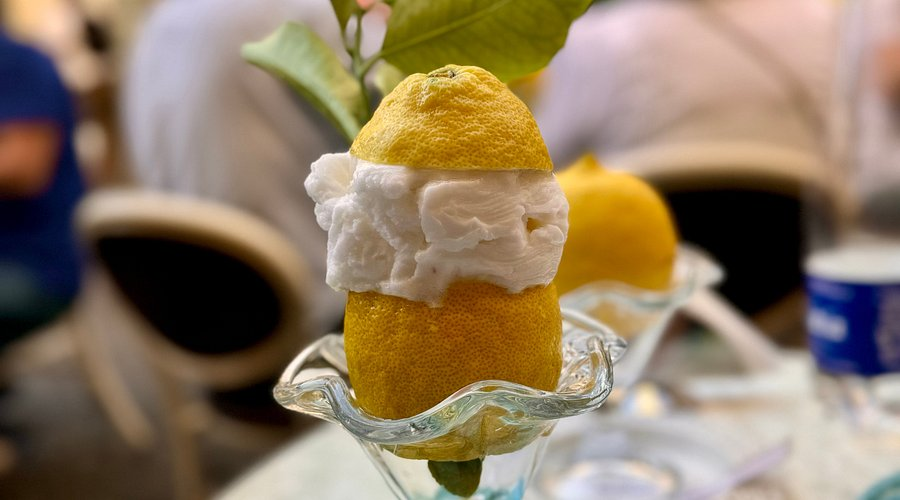
If FENDI were an ice cream flavor, it would be Amalfi lemon sorbet laced with pistachio cream. Bright but never brash. Playful with a side of precision. The lemon delivers a sharp burst of Mediterranean sunlight, zinging across your palate like a Vespa ride through Positano. Then comes the pistachio, mellow and velvety, a soft nod to la dolce vita evenings when the air smells faintly of sea salt and citrus blossoms. It is not an overpowering sweetness but a considered one, layered and complex—just like FENDI’s approach to luxury. This pairing was no accident. When FENDI’s saffron-yellow gelato cart materialized without warning in Seoul’s Gangnam and later reappeared in Hong Kong’s Harbour City, it was as if a slice of an Italian summer had been airlifted straight into Asia’s most fashionable streets. The cart itself was a minimalist jewel, a sunshine-hued box embossed with the iconic FF monogram, standing out like a cinematic still in a cityscape of glass and concrete. Passersby didn’t just notice it—they gathered, photographed, queued.

Each cone, wrapped in monogrammed paper with delicate gold accents, was more than a frozen snack. It became a lifestyle accessory. Influencers angled their cameras for the perfect shot, holding glossy lemon scoops against Baguette bags, pairing pistachio swirls with their pastel manicures, even coordinating their outfits to the gelato’s dreamy hues. Every bite was a tiny, melting ambassador of Roman glamour. This was FENDI’s Roman Holiday, condensed into two scoops. It was fresh and vibrant, a whisper of Italian escapism. 

GUCCI made gelato the new luxury must-have. One pastel scoop at a time.

GUCCI’s Gelateria Dream

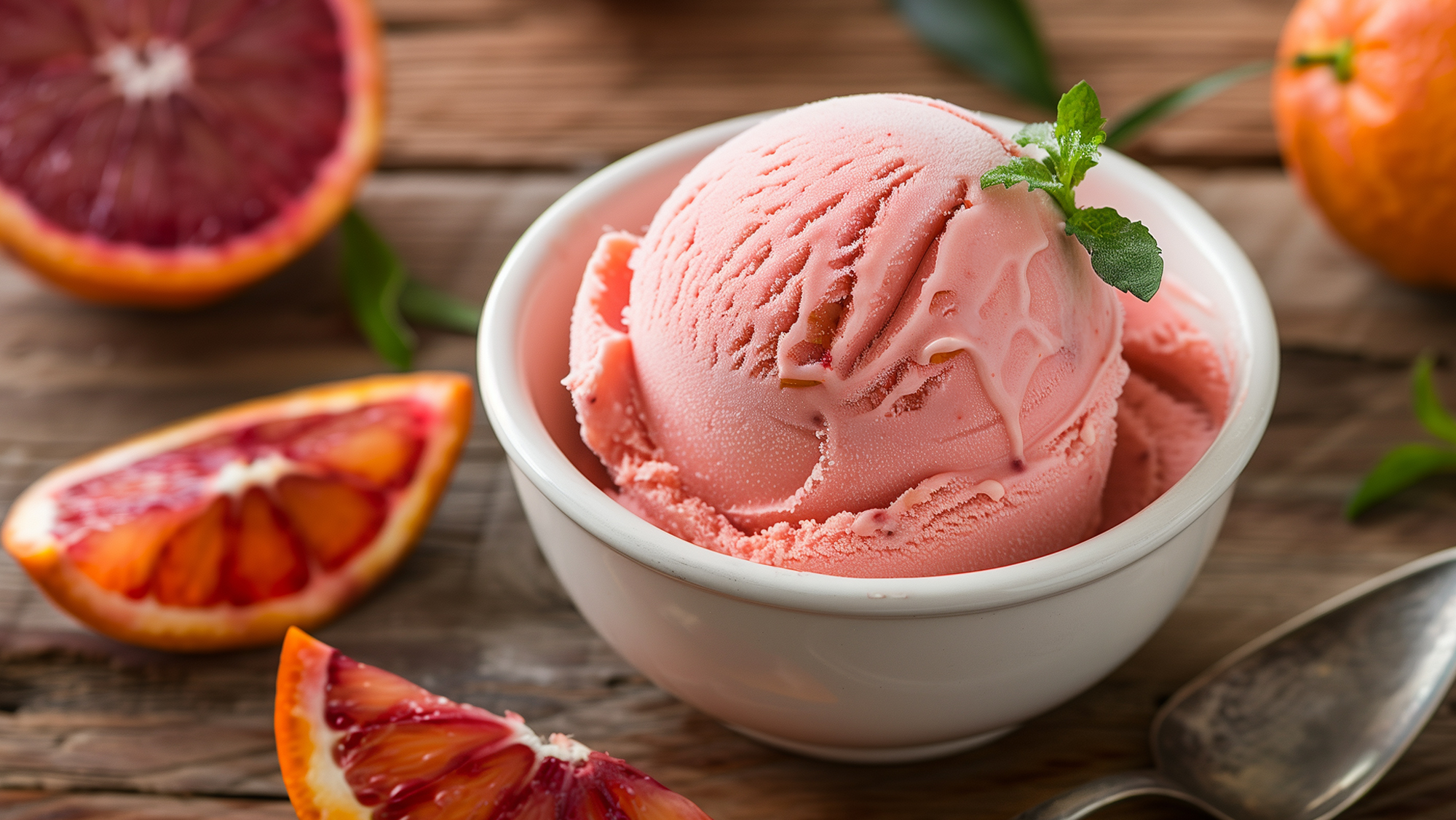
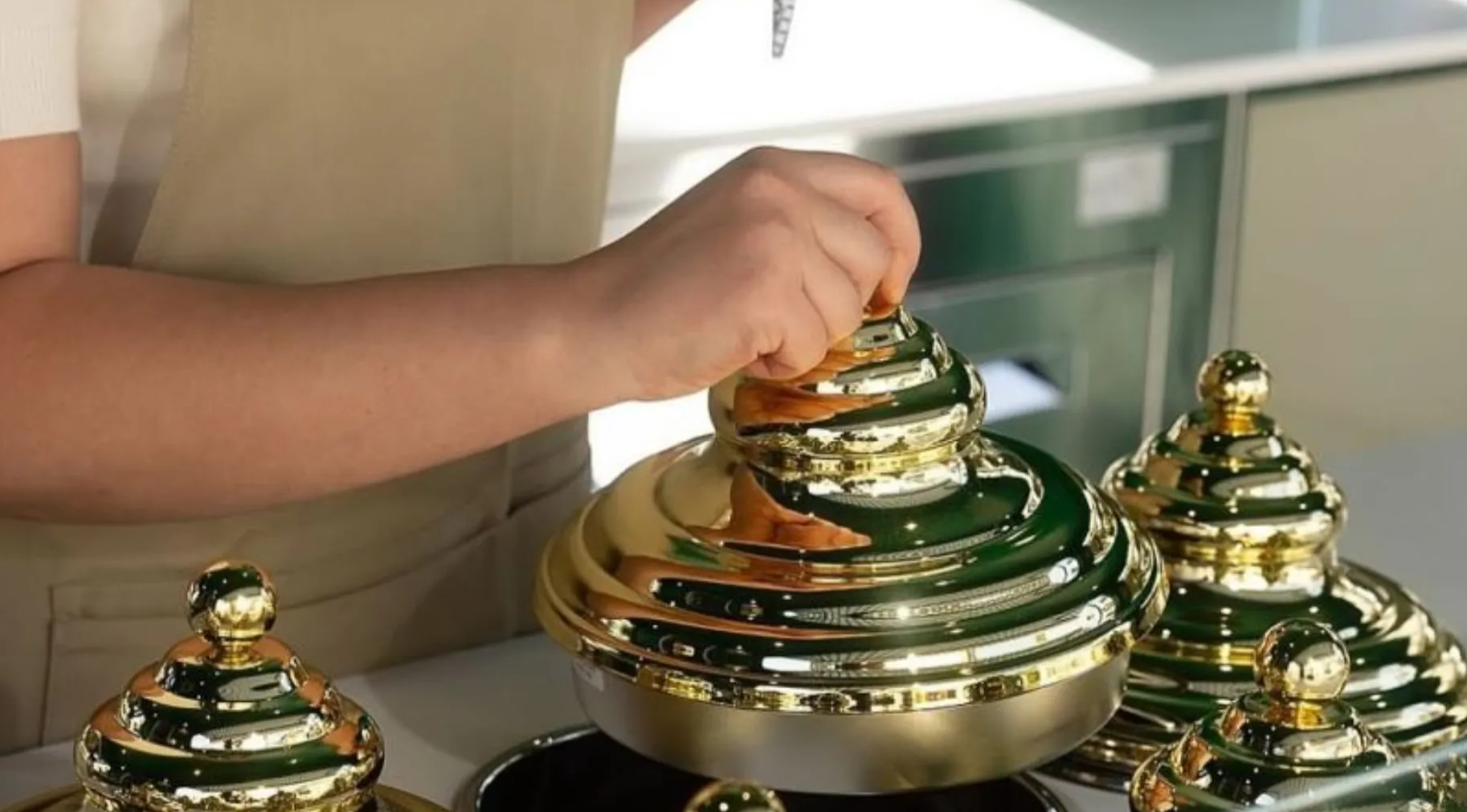
If GUCCI were an ice cream flavor, it would be Sicilian blood orange swirled with rosemary vanilla. Bold and unexpected, the citrus is vibrant and slightly rebellious, while the herbaceous vanilla softens it with a romantic, vintage charm. Together they feel eclectic, maximalist, and unapologetically indulgent—the perfect edible metaphor for Alessandro Michele’s GUCCI era. Tokyo’s lemon-hued “Gelateria GUCCI” brought this to life, reimagining ice cream as a fashion accessory. It was not just a pop-up. It was an installation, part gelateria, part capsule retail space. Guests queued outside, lured by rumors of flavors that tasted like an Italian summer. Sicilian blood orange, with its jewel-toned hue, seemed pulled straight from a GUCCI print scarf. Rosemary vanilla evoked lush Tuscan gardens, while pistachio offered a nod to the brand’s heritage green.

Every detail was a masterstroke of branding. The cups and napkins carried Cruise 2025’s signature palette. The staff wore pastel uniforms with subtle GG accents. Even the spoons felt collectible. With each scoop, visitors weren’t just enjoying gelato—they were stepping into a moodboard of color, texture, and taste. The activation was pure GUCCI: maximalist, sensory, and steeped in narrative. It wasn’t about buying a bag or a pair of loafers. It was about buying into a moment. A fleeting, flavorful experience designed to live forever on Instagram feeds.

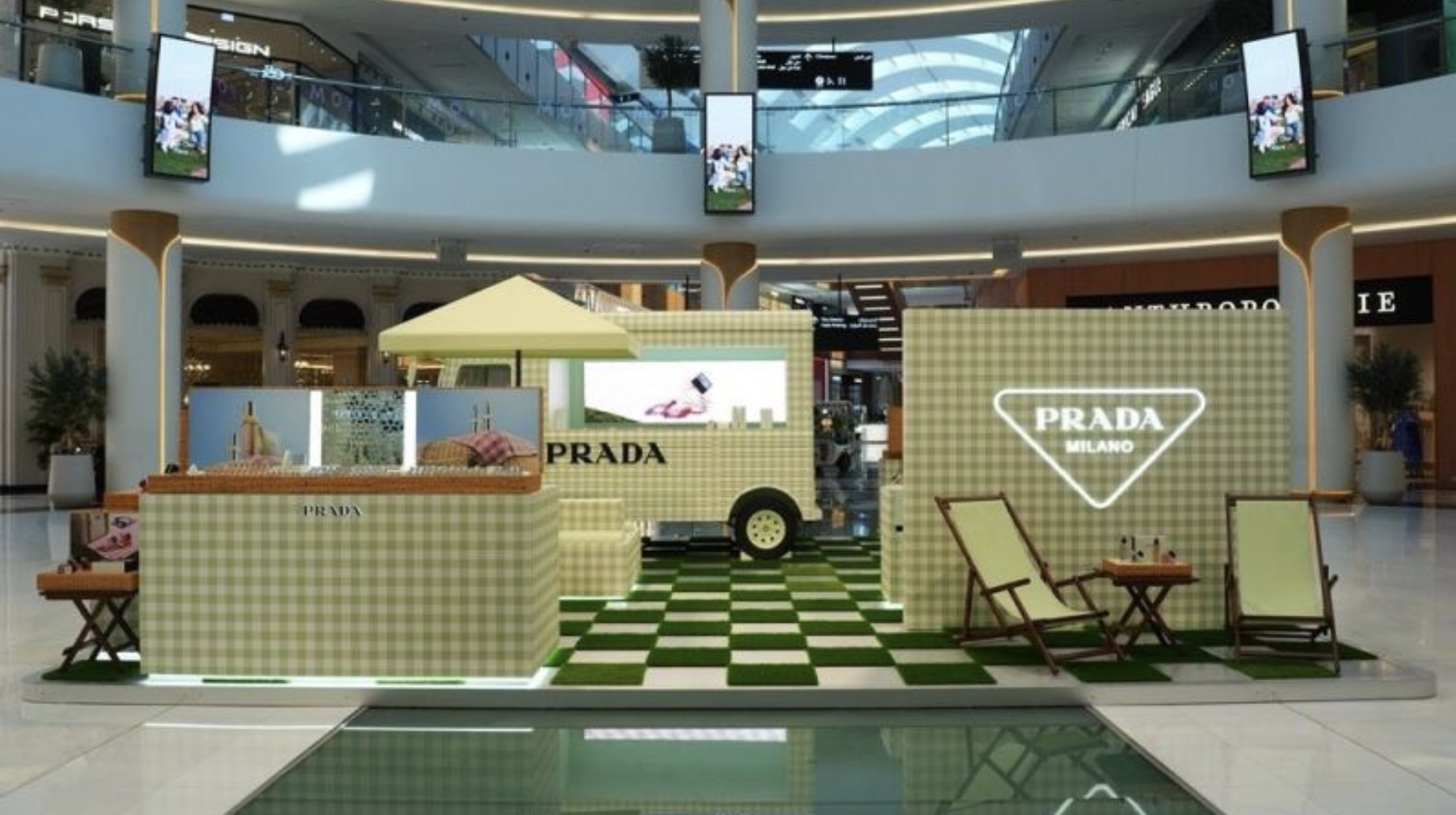
PRADA’s Conceptual Cone

This isn’t dessert. It’s a designer drop.

PRADA’s Conceptual Cone

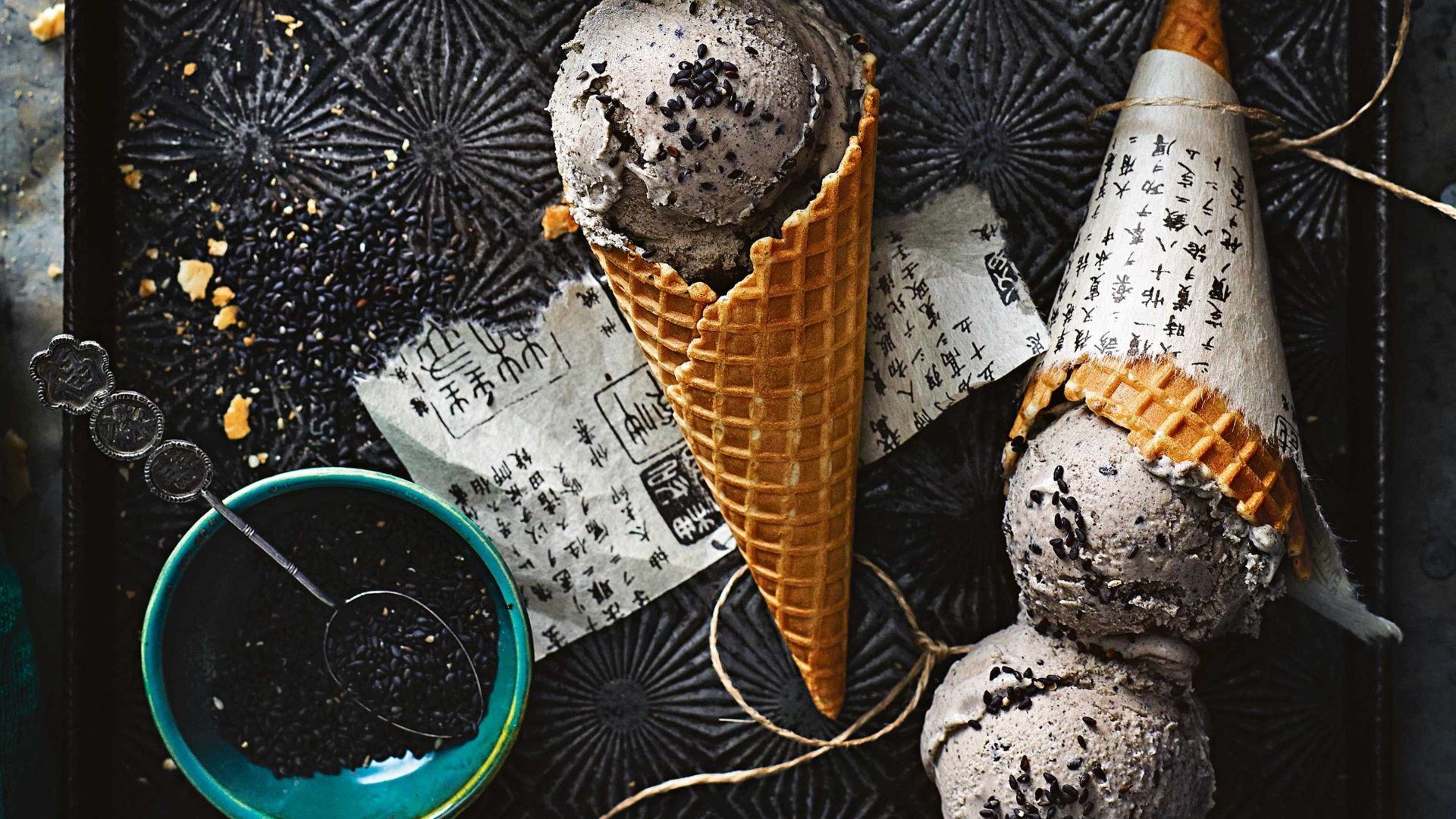
If PRADA were an ice cream flavor, it would be black sesame blended with a hint of bergamot. The black sesame offers a deep, nutty earthiness that feels grounded yet sophisticated. The bergamot adds a quiet citrus lift, restrained and refined. Together they are cool, cerebral, and quietly luxurious—the frozen equivalent of a perfectly tailored nylon backpack or a gallery-white sneaker. In Shanghai, PRADA translated this essence into a pop-up that felt more like an art installation than a retail activation. A reflective chrome cube appeared unannounced in the atrium of a luxury mall. With no signage except a discreet PRADA logo etched into the mirror-like panels, it invited curiosity and rewarded only those willing to step closer. Passersby paused to study their own reflections, their images repeating infinitely across the polished surfaces, creating a sense of voyeurism and intrigue.

Inside, the experience was stripped to its core. There were no ornate details or over-the-top flourishes. Just a pristine counter, staff in tailored monochrome uniforms, and a soft-serve machine humming quietly in the background. Guests were handed sleek silver cups, so polished they could double as impromptu mirrors—perfect for capturing a quick selfie before the ice cream softened. The bergamot-black sesame soft serve itself was almost sculptural. Its muted tones of charcoal and pale citrus aligned seamlessly with PRADA’s minimalist aesthetic. Tasting it felt less like indulgence and more like participation in a conceptual performance. Visitors lingered, savoring not just the dessert but the rarefied sense of being part of something curated, ephemeral, and quietly iconic. This was PRADA’s luxury distilled into a single moment. No spectacle, only subtlety. A fleeting gesture of intimacy between brand and audience, sophisticated enough to linger long after the last bite.

Rose on the tongue, jasmine in the air. DIOR turned ice cream into a love letter to femininity.

Rose on the tongue, jasmine in the air. DIOR turned ice cream into a love letter to femininity.

DIOR’s Floral Fantasy

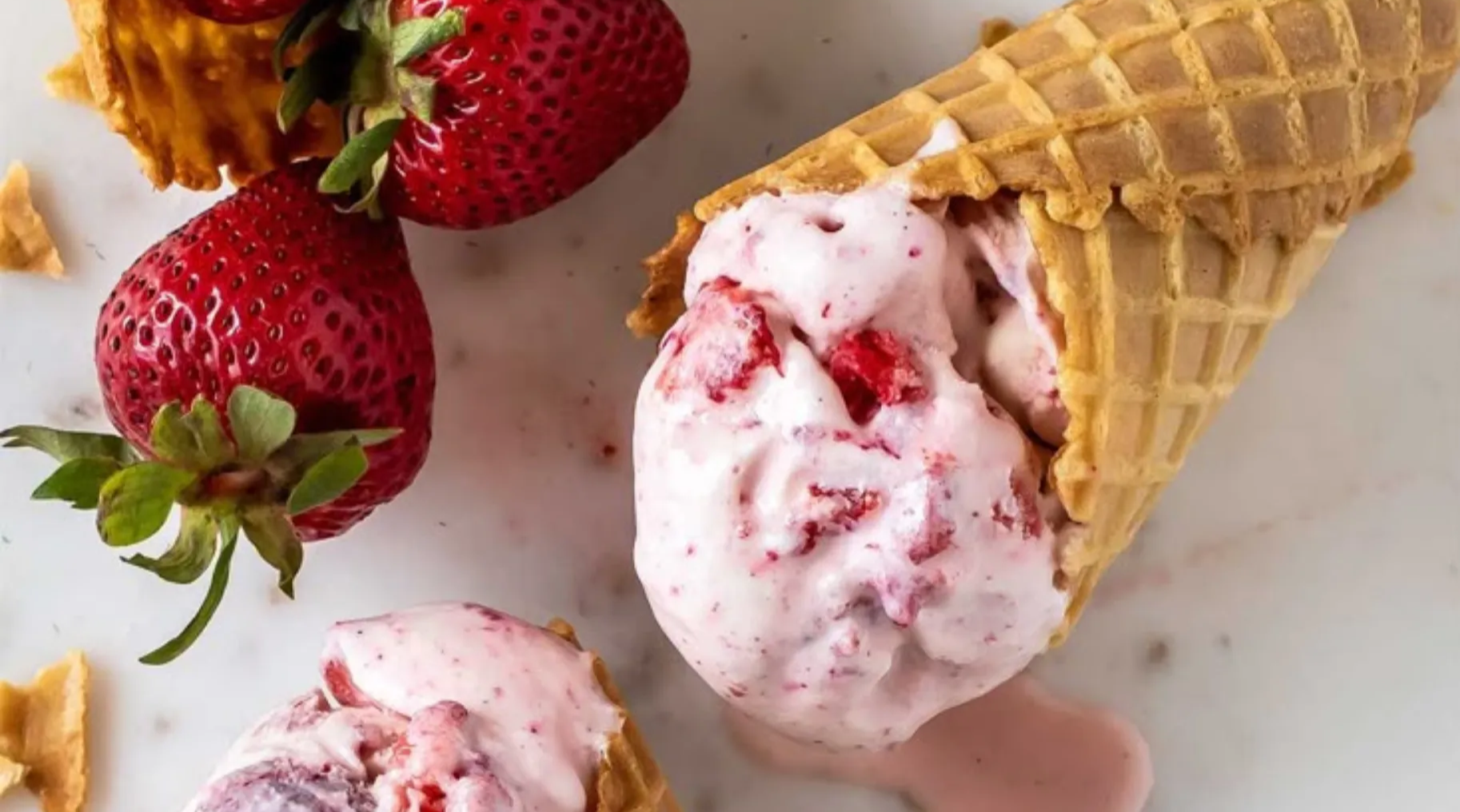
If DIOR were an ice cream flavor, it would be rose and jasmine gelato with a whisper of bergamot. Soft, romantic, and impossibly elegant, it would taste like a walk through the Tuileries Garden at golden hour. The floral notes are delicate yet unmistakable, an olfactory echo of the Miss DIOR perfume, now made edible. This is not a dessert for indulgence. It is one for reverie. In Bangkok, DIOR turned this vision into reality with a blush-pink pop-up cart stationed outside one of the city’s most exclusive malls. Embossed bows adorned the cart’s canopy. The staff, dressed in pristine white uniforms with subtle CD monograms, handed out gelato in pale pink cups tied with ribbons. Every detail felt intentional, a love letter to femininity.

The flavors were ethereal. Rose gelato bloomed on the tongue, light and fragrant, while jasmine offered a creamy counterpoint with a hint of exotic warmth. Together they felt less like food and more like couture you could taste. Each scoop was a multisensory experience, the transition from fragrance to flavor blurring the line between beauty and indulgence. Customers lingered for photos, holding cones against the backdrop of DIOR’s softly glowing signage, their Stories captioned with tiny pink hearts and “Miss DIOR moments.” For a few fleeting minutes, eating ice cream became a ritual of romance. This was not just a marketing activation. It was a perfume ad come to life, where the narrative of luxury unfolded in melting, floral swirls.

The ice cream melts. The cart rolls away. But the Instagram likes? Those stay.

The ice cream melts. The cart rolls away. But the Instagram likes? Those stay.

The Power of the Disposable Luxury Moment

What makes these pop-ups so irresistible? It is their transience. Here one day and gone the next, they leave behind only a trail of Instagram posts, saved Stories, and a ripple of digital envy. This fleeting quality is not a limitation; it is the very essence of their allure. In the age of endless scrolling, luxury has learned that scarcity no longer depends on decades-long waitlists or invitation-only soirées. Today, it can take the form of a pastel gelato cart that vanishes at sunset or a chrome cube that melts into memory the moment you walk away. These activations are designed to create urgency. They turn a casual passerby into a participant and a participant into a digital storyteller. To miss the moment is to miss the chance to belong. Each brand has crafted its own flavor of exclusivity. FENDI’s Amalfi lemon gelato, tart and sunny, disappears like a Roman summer, leaving only a citrus brightness in its wake. GUCCI’s rosemary vanilla, complex yet comforting, evokes a Sicilian evening that fades too quickly. DIOR’s rose and jasmine swirl dissolves on the tongue, as delicate and ephemeral as a fresh bouquet. PRADA’s black sesame and bergamot soft serve, quiet and cerebral, lingers like a half-remembered dream.

An eight-dollar scoop becomes more than dessert. It is a limited-edition status symbol, a location-specific indulgence designed with precision. Every monogrammed cup, every pastel cone, every curated uniform anticipates the camera lens and the viral moment. This is luxury recalibrated for the age of impermanence. The gelato does not simply taste good; it confers cultural currency. To hold it is to signal that you were there, that you are fluent in the language of contemporary desire. For a generation raised on fleeting content, the value lies not in ownership but in participation and performance. The ice cream melts. The cart rolls away. But the impression remains—in the feed, in the memory, and in the subtle pull back to the brand that offered that fleeting taste of intimacy.

From Feed to Feel: Why It Works

These carts are not hidden away behind boutique doors. They stand boldly on sidewalks, in sunlit atriums, and among the food courts of luxury malls. They do not demand commitment or exclusivity. They ask only for a moment of curiosity and, perhaps, the perfect photograph.

This is branding transformed into seduction. Not a hard sell, but a soft invitation. A wink. A swirl. A fleeting bite of luxury that feels personal and performative at the same time.

Asia’s Luxury Future Is Melting and Delicious

In a region where luxury once meant hushed tones and invitation-only lounges, crowds now gather under open skies for logo-stamped cones and pastel-colored cups. The velvet rope has given way to a queue of phones raised for the perfect shot.

Gelato distills the essence of modern luxury: joyful, shareable, and deliciously ephemeral. You do not wear it; you consume it. You do not keep it; you remember it.

It is sweet, yes, but also strategic. This is luxury designed for the algorithm, where the experience is the product and the memory is the purchase. Judging by the lines, the posts, and the cultural momentum, this trend is not melting away any time soon.

Looking to indulge in luxury brands without breaking the bank?
Embracing Disorder: Jane Birkin and the Iconic Impact of the Anti-Handbag

Embracing Disorder: Jane Birkin and the Iconic Impact of the Anti-Handbag

Embracing Disorder: Jane Birkin and the Iconic Impact of the Anti-Handbag

by Thea Elle | June 25, 2025 | Luxury Bags

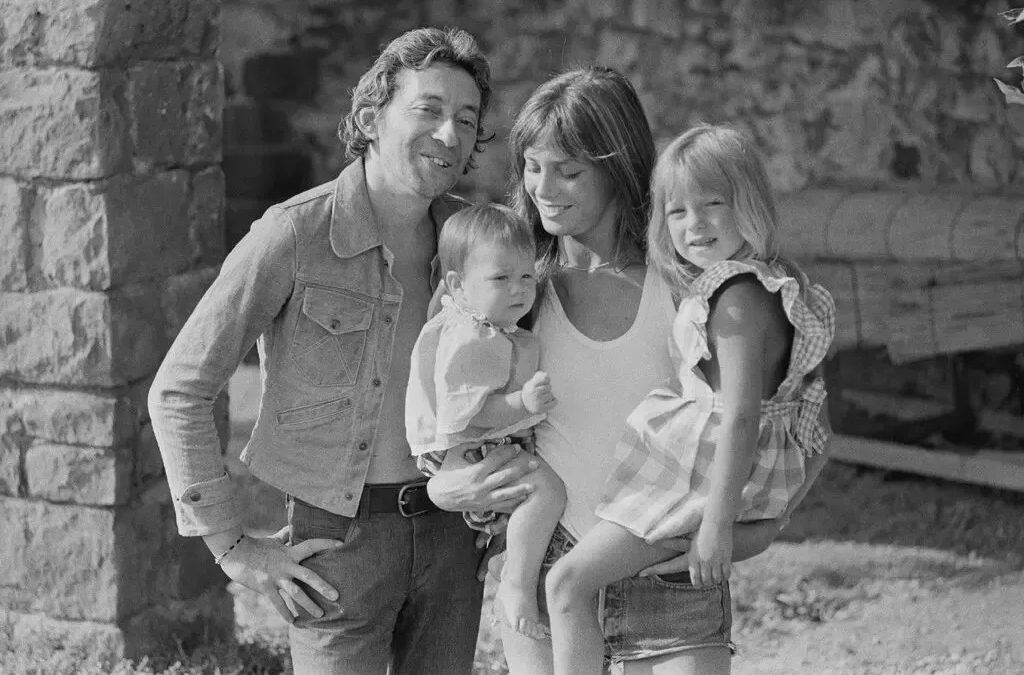
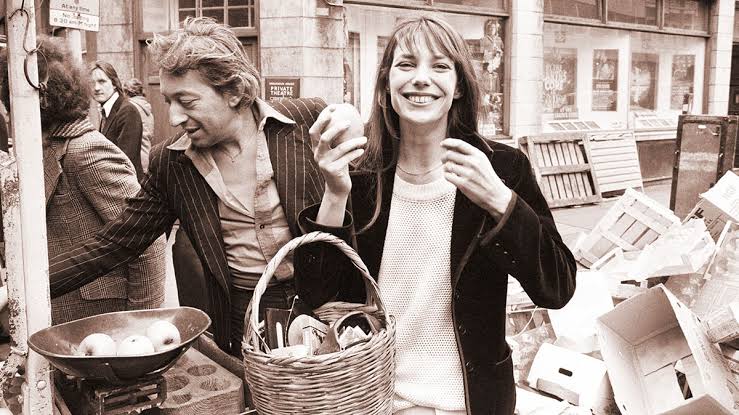
Before the Birkin became a symbol of luxury, it was simply a woman’s name. And before that woman, it was just an ordinary straw basket bought from a small-town pharmacy in the south of France. Jane Birkin, a muse for her generation and a timeless figure of effortless style, never intended to start a fashion trend. She did so by not trying at all.

Her basket, soft and constantly overflowing, was the complete opposite of a designer handbag. While others carried structured leather with polished hardware, she carried a bag meant for produce. It was impractical, messy, and deeply personal. The more it clashed with the refined elegance of Paris, the more iconic it became. It had nothing to do with utility or status. It was a contradiction, much like Jane herself.

She did not embody aspiration in the way luxury is marketed today. What made her unforgettable was her refusal to perform for anyone. With an open blouse, windblown hair, and an unbranded basket, she reshaped the definition of style. Somewhere in the chaos and charm she carried, a quiet movement began to take root.

Jane Birkin seated in a cafe with her straw basket on the floor

The Basket Before the Bag

Jane Birkin’s basket was more than a way to hold her things. It expressed a perspective. In an era fixated on glamour and excess, her simple straw tote offered quiet resistance. While others carried logo-covered leather from GUCCI or flaunted their status with CHANEL, Birkin chose something rough, unpolished, and undeniably real. The contrast went beyond aesthetics. It came from a different mindset altogether.

If you're a luxury brand enthusiast on a budget, check out PURSE POP UP LIVE. You will only find better deals, with up to 90% off retail on authentic, high-quality products. Trust our quality satisfaction guarantee and 99 % satisfied customers since 2018 speak for themselves. Take advantage of this hidden gem!

This wasn’t a deliberate fashion statement. The basket held whatever she needed at the time—baby bottles, letters, bread, or cigarettes. Sometimes it was falling apart. On one occasion, it was held together with string. Those flaws only made it more charming. Its worn-out look told a story. Rather than matching her outfit, she carried it because it fit her life.

At a time when fashion prized coordination and perfection, her basket suggested a quiet form of rebellion. There were no luxury tags, no shiny clasps, no inflated price tags. Just a humble object doing its job. Still, anyone paying attention could see it had a kind of effortless cool that no designer could replicate.

A Symbol for the Unbothered

There is a quiet elegance in not trying too hard. Jane’s basket became a style icon without intention. It had no branding, no seasonal rollout, and no marketing plan. Instead, it stood for a way of living—full and unfiltered, with style arriving naturally. That may be why she made such a lasting impression. She wasn’t rejecting fashion, but she didn’t let it shape her world either.

The basket reflected her spirit. It was worn yet lovely, honest in its simplicity, and slightly exposed in a way that felt human. Like Jane, it was both approachable and bold. In a world that often ties beauty to exclusivity, the basket felt accessible. All it required was the self-assurance to ignore outside judgment.

That was the true appeal. Picked up at a market, stashed under café tables, filled with life’s daily clutter—it was modest but magnetic. Its charm came from spontaneity rather than design. That ease became part of Jane’s essence. Eventually, the basket became iconic simply because it traveled through life with her.

Though the original no longer exists, its influence remains. The message it carried still feels relevant. Style doesn’t need to be polished, labeled, or performed. Sometimes the truest form of elegance shows up in motion, when no one is paying attention. In a culture that prizes image, the basket reminds us of the beauty in choosing something honest instead.

When the Basket Became a Bag

One of fashion’s most interesting contradictions is found in Jane Birkin’s story. The woman who didn’t care for handbags ended up inspiring the most coveted one in the world. On a flight with Hermès executive Jean-Louis Dumas, she mentioned how her basket kept tipping over. That conversation led to the idea of something sturdier. The sketch that followed became the Birkin bag—structured, polished, and far removed from what made Jane iconic.

Jane never intended to become the face of a luxury brand. Her influence came from living authentically. What began as a practical fix for a chaotic life became a global status symbol. Over the years, the bag moved further away from its origin. Where Jane embraced spontaneity, the Birkin came to stand for control, precision, and exclusivity.

That contrast says a lot. A simple solution turned into a highly curated product. Yet Jane’s true influence was never about a handbag. It came from the way she lived. Her basket, though imperfect, had character. It held crumbs, flowers, and everyday mess—evidence of a life lived without the need for approval. That kind of freedom remains rare, which is perhaps why it left such a lasting impression.

A modern Birkin bag next to a market basket filled with wildflowers

One closes with a key. The other never closed at all.

The Cost of Becoming Iconic

The original basket disappeared long ago, replaced by a luxury staple made from fine calfskin and detailed with gleaming metal hardware. As the Birkin bag rose to legendary status, it brought along a sense of exclusivity, long waiting lists, and subtle cues of social standing. It became a silent declaration of success. Yet, for all its prestige, it never quite reflected the spirit of the woman who inspired it.

What Jane carried was never just a bag. It captured a feeling—one of freedom, spontaneity, and ease. Her style came across as genuine, effortless, and completely personal. The basket didn’t suggest arrival. It hinted at movement. It belonged to someone always in transition, never perfectly organized, yet entirely comfortable in her own way of being. That kind of allure doesn’t fit neatly into a luxury item. It isn’t something a label can define.

This is where the contradiction lies. As the Birkin became sleeker and more exclusive, it moved further away from the very essence that made Jane unforgettable. The bag became a marker of ambition, while Jane remained a symbol of freedom. Her style was not about a final image. It was about the unpredictable journey—love affairs, missed connections, flowers gathered on a walk. The basket remains vivid in our minds not because it stood out loudly, but because it moved gently with the rhythm of her everyday life.

Jane’s True Legacy

Jane Birkin’s legacy isn’t locked away in vaults or etched into rare leathers. It isn’t showcased behind velvet curtains or reserved for elite collections. Her real impact is quieter and far more lasting. It lives in the simplicity of a straw basket, slung over a shoulder, resting between sun-kissed knees in the back of a taxi, or casually placed under a café table in Paris. The attention was never on the bag itself, but on the way she moved through life—with ease, intuition, and a kind of effortless grace that couldn’t be imitated or sold.

She never chased attention. She didn’t build an image to maintain. Long before branding and self-promotion became daily rituals, Jane simply existed as she was. Her appeal came from what she chose to avoid—no performance, no façade, no need for outside validation. The heart of her legacy doesn’t lie in luxury or fashion. It lies in the freedom she embodied. By refusing to conform, she became a symbol of genuine, unforced authenticity.

The Enduring Magic of the Basket

Fashion constantly reinvents itself, offering fresh trends, louder looks, and brief fascinations. Designer bags will change shape again, shrinking one season and expanding the next. Yet the timeless pull of Jane Birkin’s quiet confidence remains. Her influence wasn’t about staying on trend. It was about staying close to what felt real. A slightly open shirt, unstyled hair, and a life that unfolded naturally, without waiting for approval or perfect timing.

At the center of her story was the basket. Simple yet unforgettable, it held both ordinary items and moments full of meaning. It wasn’t worn to make a statement. It moved with her, carrying bread, lipstick, old notes—whatever the day asked for. In a world obsessed with perfection and control, her basket still speaks to something more honest. It reminds us that beauty doesn’t always need polish. Some things have more strength when they’re left untamed. Some stories stay with us not because they’re flawless, but because they’re real.

Looking to indulge in luxury brands without breaking the bank?
Summer 2025’s Must-Have Accessory: The HERMÈS Replica Everyone’s Carrying

Summer 2025’s Must-Have Accessory: The HERMÈS Replica Everyone’s Carrying

Summer 2025’s Must-Have Accessory: The HERMÈS Replica Everyone's Carrying

by Thea Elle | June 5, 2025 | Luxury Bags

Let’s be honest: New Yorkers aren’t waiting on anything these days. Not for a brunch table in the West Village. Not for the F train during rush hour. And definitely not for a polite nod from a sales associate just to maybe be deemed worthy of purchasing a Birkin. The whole charade — months of spending, small talk, and strategic purchases in hopes of one day being invited to buy a bag — is tired. We’ve left that era behind. This is the age of instant gratification, and no one’s feeling guilty about it.

And yet, something curious is happening across the city.

There’s this bag. That bag. The one that makes people stop mid-conversation at rooftop parties in Williamsburg or glance twice in the elevator at the Crosby Hotel. You’ll see her perched next to an espresso martini at Cipriani, or swinging confidently from the arm of a woman ducking into a gallery opening in Chelsea. Whether it’s a marshmallow-pink Kelly or a tangerine Birkin, she’s bold, she’s present, and she’s not lurking in the background. She’s the star of the show.

But here’s the part no one’s saying out loud — she didn’t come from the HERMÈS boutique.

She’s a replica. And not just any replica — a remarkably good one. The kind that fools even the most fashion-literate friends and garners compliments without caveats. And the kicker? No one seems to care. Not anymore.

We’ve officially arrived at the point where aesthetic matters more than access. Where taste and personal style hold more weight than the hoops you had to jump through to get your hands on a luxury item. These women aren’t trying to deceive anyone — they’re simply choosing not to play a game that was never designed for them to win.

The truth is, the bags are still beautiful. The girls are still sharp, stylish, and entirely self-aware. The vibe? Effortlessly chic, quietly rebellious, and completely unbothered.

Mini pink replica KELLY bag on marble café table with coffee and Vogue magazine

The Colors and Shapes Dominating Summer 2025

If there’s one thing Summer 2025 is making clear, it’s that color is back — and not in a shy, subtle way. Everywhere you look, the city is washed in a palette of dreamy pastels and playful brights. Think: hydrangea blue echoing the blooms in East Hampton gardens, buttery yellow that feels like it melted off a croissant at Sant Ambroeus, and that perfect pink — soft, sparkling, and sun-drenched — like a glass of rooftop rosé at exactly 4:00 p.m.

But it’s not just the shades that are turning heads — it’s the silhouettes. The shapes are familiar, sure. HERMÈS classics are always around. But the vibe this summer is anything but precious. These bags aren’t being gently admired behind glass counters or carried daintily at exclusive luncheons. They’re being lived in. They’re being worn with denim shorts and platform sandals, tossed into convertible seats, slung over sweaty shoulders post-Pilates, photographed in front of dive bars and fine art alike. They’re part of the outfit now — not an afterthought, not a prize, but a main character.

If you're a luxury brand enthusiast on a budget, check out PURSE POP UP LIVE. You will only find better deals, with up to 90% off retail on authentic, high-quality products. Trust our quality satisfaction guarantee and 99 % satisfied customers since 2018 speak for themselves. Take advantage of this hidden gem!

The undisputed breakout star? The mini Kelly. Tiny, structured, unapologetically impractical — and that’s precisely the appeal. It holds almost nothing of use, and that’s the entire point. This is not a bag that serves a function. It serves a mood. It’s high drama in a compact package. Its sharp lines, smooth leather, and impossibly small scale project an energy that says: I’m not here to help carry your things — I am the thing.

Meanwhile, the Birkin is having a moment of maximalist reinvention. She’s still luxe, still iconic — but this summer, she’s louder. Think: lemon yellow Togo leather, electric blue Epsom, fiery red Clemence. She’s bold. She’s not waiting for an invitation. She enters every room with quiet confidence and leaves with the spotlight, all without asking for it.

Then there’s the Garden Party tote — the effortless cool girl of the group. She’s the one who doesn’t need to try hard to be noticed but somehow ends up in every candid anyway. With her clean structure, roomy interior, and casual canvas-and-leather charm, she gives off "just came from the Montauk farmers market" vibes — even if you're really just doing a Trader Joe’s run on a Tuesday afternoon. She’s understated, yes, but not forgettable. Her appeal is in her ease.

So, whether you’re making a statement with neon leather or playing it soft with pastel chic, this season’s bags are all about presence. They're wearable expressions of individuality — less about luxury as status, more about luxury as a state of mind.

Why We’re All Carrying Replicas (Quietly, Of Course)

Let’s get one thing straight: most people aren’t casually dropping five figures on a handbag — and even those who canaren’t exactly racing to the boutique anymore. The mystique is fading. The illusion is unraveling. What once felt like an elite experience — the hushed lighting, the champagne offers, the thrill of being invited to make a purchase — now reads more like a choreographed performance, complete with wardrobe expectations and emotional labor.

Because let’s be honest. The luxury retail game is just that — a game. You don’t just walk in and buy the thing you want. You enter a carefully controlled environment where you’re expected to prove yourself. You flatter the sales associate, you buy the scarves and bangles you never planned to wear, you drop thousands on “starter” items just to show you’re serious — all in hopes of being granted access to a Birkin you didn’t even pick. A muted taupe when you asked for tangerine. A size you never wanted. And you’re supposed to feel lucky.

That’s not luxury. That’s emotional gymnastics. That’s brand theater. Enter the replica — the quiet, confident, totally unbothered alternative. Replicas skip the performance entirely. They don’t ask for your loyalty or your patience. They don’t demand you cultivate a relationship with a boutique or demonstrate your worth via strategic purchases. A great replica gives you exactly what you’re looking for: the aesthetic, the energy, the presence — without the price tag or the pageantry.

In an era where even influencers — the former gatekeepers of taste — are “borrowing” designer pieces for photoshoots, or reselling Birkins for markup like sneaker drops, the illusion of authenticity has become blurred anyway. So why play along? A beautifully crafted replica offers the same visual impact, the same arm-candy effect, the same nod from across the street that says, “She knows what she’s doing.”

The Replica Renaissance Has Arrived

We’re not talking Canal Street knockoffs anymore. That era — of fake logos, misspelled brand names, and plastic zippers — is long gone. What’s happening now is something much more sophisticated. This is a cultural shift. A full-blown Replica Renaissance. One where craftsmanship still matters, but access no longer defines legitimacy. The replicas we’re seeing now are elevated — soft, structured leathers; clean, accurate stitching; hardware with just the right click and weight. These bags don’t need to pass as the real thing — they simply need to hold their own.

And they do.

What’s changed isn’t just the quality — it’s the mindset. Replicas are no longer about faking it till you make it. They’re about rejecting a system designed to exclude. This is about opting out of a luxury model that demands performance — about saying no to the hoops, the hustle, the gatekeeping. It’s about redefining luxury on our terms: freedom, confidence, intelligence, style.

Carrying a replica today doesn’t whisper “I wish this were real.” It says, “I understand the reference — and I’ve moved past the need for validation.”

The old rules said you needed the receipt to be worthy. The new rules say you only need the look — and the vision to pull it off.

Woman on subway with bright orange replica BIRKIN and oversized sunglasses

The ultimate city flex — subway style meets Fifth Avenue flair

You Just Have to Know Where to Look

If you still believe these bags live only in high-gloss ad campaigns or behind velvet-roped displays, you’re missing what’s really happening. They’re not locked away in glass cases or confined to the arms of celebrities at film premieres. No, these bags are everywhere — hiding in plain sight, folded into the rhythm of city life, carried by women who know exactly what they’re doing.

You’ll spot them on the downtown 6 train, early on a Tuesday morning. Across the car, she’s scrolling through her phone, legs crossed, with razor-sharp CÉLINE sunglasses and a freshly trimmed bob that probably costs more than your weekly groceries. The way she holds that structured top-handle bag — with ease, not reverence — tells you all you need to know. It’s a KELLY, unmistakable in silhouette and stature. But look closely, and you’ll realize: it’s not from the boutique. It’s a replica, and it’s flawless.

Next weekend, wander through Dumbo’s art markets. Watch the women weaving through the crowd, not flustered, not performative — just moving with that certain type of effortless composure. That oversized, neutral-toned Garden Party tote slung on her forearm? It’s not just a bag. It’s an attitude. A wink to those who know. A nod to the replica world that’s quietly infiltrated the luxury space — and doing so with style that’s gone completely mainstream.

These bags are no longer reserved for private jets and quiet luxury Instagram accounts. They’ve become woven into the everyday fabric of urban life. You’ll see them wedged under airplane seats beside battered Rimowa carry-ons, perched on café chairs in the West Village while oat milk lattes are sipped in head-to-toe linen. They’re at brunch tables, rooftop parties, nail salons, Pilates classes, and pitch meetings. They show up where real life happens — not just where it’s staged.

And no one’s embarrassed. There’s no shame, no whispering about authenticity or judgment from across the room. If anything, carrying a replica has become a mark of cultural literacy — an insider flex that says, I know what’s up. These women aren’t asking to be let into a club. They’ve built their own. They don’t need to prove anything to anyone. Their style is instinctual. Their confidence is unshakable. The bag isn’t a status symbol — it’s just an extension of who they are.

Because in New York — where everyone is watching but almost no one is truly paying attention — there’s immense power in subtlety. And these bags? Quiet power, redefined.

Luxury Is a Vibe, Not a Price Tag

Here’s the real secret behind carrying a replica: it’s not just about the money. Sure, saving thousands is smart — but that’s just the entry point. What you gain is something far more liberating: freedom. Freedom from stress. Freedom from babying a handbag like it’s a museum piece. Freedom from the pressure to treat an accessory like an investment portfolio.

You can set your bag on the floor at a restaurant without guilt. Let it brush against a subway pole without spiraling. Toss it in a rideshare without wrapping it in silk first. You live your life — and your bag comes along for the ride. That kind of detachment isn’t careless; it’s empowered. It means you’re not wearing your self-worth on your shoulder.

It means you’ve evolved past the outdated idea that value comes from scarcity or gatekeeping. Instead, you understand something that many in the luxury world don’t want to admit: luxury is a feeling. It’s a mindset. A carefully cultivated vibe. And no, it doesn’t require a receipt.

Because truly — no one’s checking. At the rooftop bar, at the art opening, at the Sunday brunch spot that doesn’t take reservations — no one’s pulling out a magnifying glass. They’re too busy admiring your whole look. And if someone does ask whether it’s “real,” well… that says more about them than it ever could about you.

Carry the Bag. Forget the Gatekeeping.

Let’s be clear: luxury’s old rules are crumbling. Once upon a time, exclusivity meant having what no one else could get their hands on. Now? True style is about knowing what everyone wants — and being the first to wear it with purpose. Today’s fashion It-girls aren’t chasing prestige. They’re rewriting it.

The obsession with authenticity, with receipts and resale value and serial numbers, is starting to feel… dusty. What matters now is how you wear it. How you style it. How it makes you feel when you walk into the room. The question isn’t “Is it real?” The question is, “Does it make you feel like yourself?” If the answer is yes, you’ve already won.

So wear the bag. Let them guess. Maybe it’s from Paris. Maybe it’s from a niche maker in Seoul. Maybe you found it on a hyper-curated resale site that only accepts perfect pieces. Or maybe — just maybe — it’s a replica. And maybe you love it because it frees you from all the pressure of the original.

Smile. Say thank you. Keep walking. This summer is yours. The bag? She’s not just along for the ride. She’s your co-star.

And trust us — she’s nailing the role.

Looking to indulge in luxury brands without breaking the bank?
The $500 Birkin and the High Price of Illusion

The $500 Birkin and the High Price of Illusion

The $500 Birkin and the High Price of Illusion

by Thea Elle | May 2, 2025 | Luxury Bags

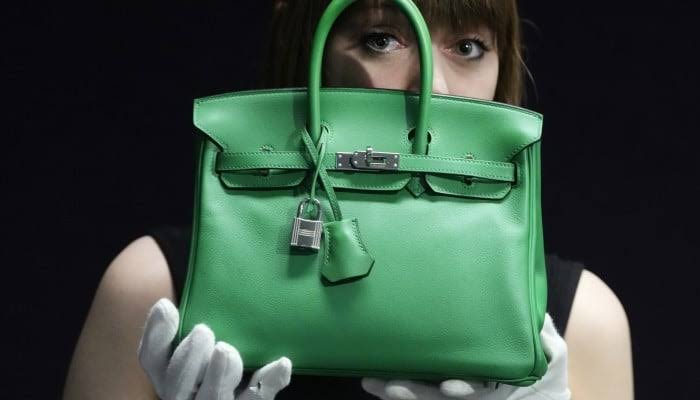
For decades, the Hermès Birkin has been the epitome of luxury—a handbag so exclusive that its price tag often starts in the five-figure range and climbs well beyond, depending on materials and rarity. To many, owning a Birkin isn't just about having a bag; it's about having a symbol. A status icon of wealth, power, and supposed good taste, the Birkin has become a cultural shorthand for having "made it." Yet, what happens when the very object that was supposed to represent exclusivity shows up for a mere $500 on a resale platform or in the hands of a social media influencer with questionable sourcing?

The fashion world is now reckoning with a growing number of “budget Birkins”—bags that claim to be authentic but are sold at prices far below market value. Whether they're factory rejects, secondhand finds with hidden flaws, or high-end counterfeits that can fool even experienced collectors, these cheaper alternatives blur the line between genuine luxury and clever imitation. They invite a deeper question: in a world where image is everything, does authenticity still matter, or is the illusion of luxury enough?

This phenomenon reveals something deeper about consumer culture today. We live in an era where access and appearances often outweigh authenticity and meaning. The rise of the $500 Birkin isn't just a story about knockoffs—it’s a mirror held up to our obsession with status, our susceptibility to branding, and our willingness to buy into a fantasy. As the lines between real and fake continue to blur, perhaps the real cost of owning a Birkin isn’t in dollars, but in what we’re willing to overlook to feel like we belong.

Screenshot of Tanner Leatherstein debunking viral luxury myths

A Viral Lie Unpacked

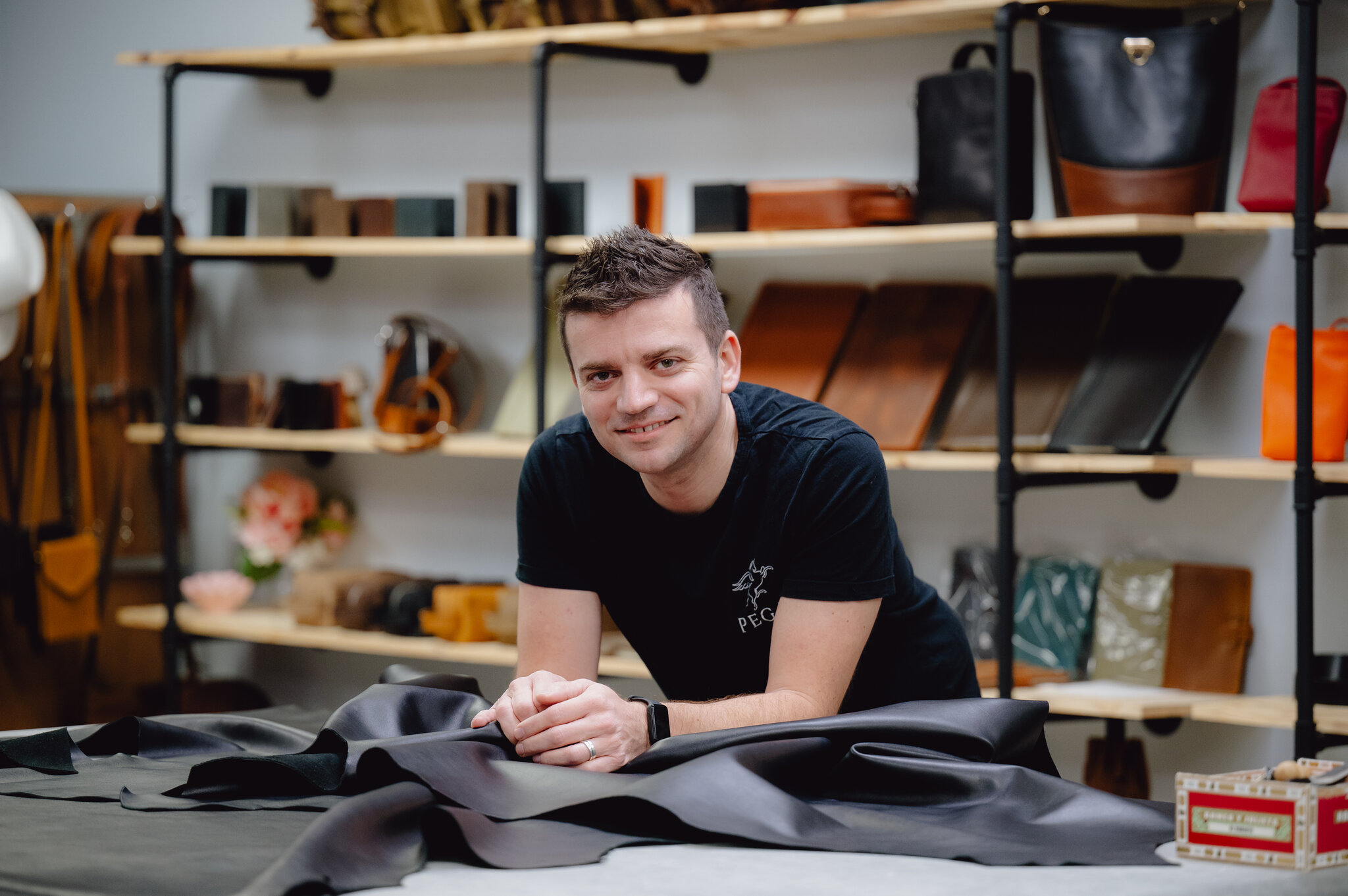
TikTok has officially entered its Marxist phase. According to the latest viral hysteria, your precious French luxury bag was probably born in a Guangdong factory and cost less than your phone bill to make. Leading this digital uprising? Tanner Leatherstein, a soft-spoken leatherworker with a scalpel in one hand and receipts in the other.

If you're a luxury brand enthusiast on a budget, check out PURSE POP UP LIVE. You will only find better deals, with up to 90% off retail on authentic, high-quality products. Trust our quality satisfaction guarantee and 99 % satisfied customers since 2018 speak for themselves. Take advantage of this hidden gem!

Except Tanner never actually said any of that. He’s been calmly correcting the record while TikTok spins its tale of corporate betrayal and $600 Birkins. In the world of luxury gossip, nuance is the first thing out the window.

The claim that 80 percent of French luxury bags are made in China may sound spicy, but it's about as accurate as calling Crocs couture. What we’re really witnessing is the collision between a bored audience, a misunderstood craftsman, and a trillion-dollar industry allergic to transparency.

What Tanner Actually Said

In his video titled “Luxury Bags in China for 10 Percent of the Price? Let’s Talk Truth,” Tanner breaks it down with the tone of a patient schoolteacher explaining that no, the moon isn’t made of cheese.

No, most French luxury bags are not made in China. That headline is fiction. No, a real Birkin doesn’t cost $600 to produce. That number came from someone reverse-engineering a knockoff with a calculator and a dream. Yes, Chinese factories can make excellent leather goods, and yes, Tanner has considered working with them. But only for the local Chinese market, where that decision actually makes sense.

This isn’t explosive stuff. Unless you’re a TikTok creator trying to turn a three-minute stitch into a career. Tanner isn’t some anti-luxury vigilante. He’s just a guy who knows leather and doesn’t think handbags should be priced like small sedans.

What his comments did, however, was step directly onto luxury’s third rail: the illusion. And if there’s one thing the industry hates more than counterfeits, it’s someone pointing out how closely their mythmaking resembles one.

The Theatre of Luxury (and Its Performers)

Luxury fashion has always been part opera, part puppet show. Every player knows their role.

The TikTok truth-tellers cast themselves as stylish revolutionaries, bravely exposing the $500 Birkin conspiracy. The heritage brands play the high priests, staging their workshops like leather-clad cathedrals. Even Tanner, unwillingly, ends up as the straight man in a comedy of prestige.

And yes, even the mighty HERMÈS isn’t above the act. Behind the mystique of artisan ateliers is a production system not unlike that of Toyota, albeit with fewer robots and more scarves. LOUIS VUITTON practically built its empire on this model, blending human touch with mechanical precision and calling it modern luxury.

“Made in France” remains technically true, thanks to generous interpretations of “assembly” laws. It’s the passport stamp of fashion—a little wink that lets you charge five figures for a bag and still sleep at night.

So no, the man in China claiming to make real Birkins for $1,400 is not revealing a scandal. But the idea that each $38,000 HERMÈS bag is lovingly birthed by a single Parisian whispering sweet nothings to a calfskin handle? That might be the bigger fiction.

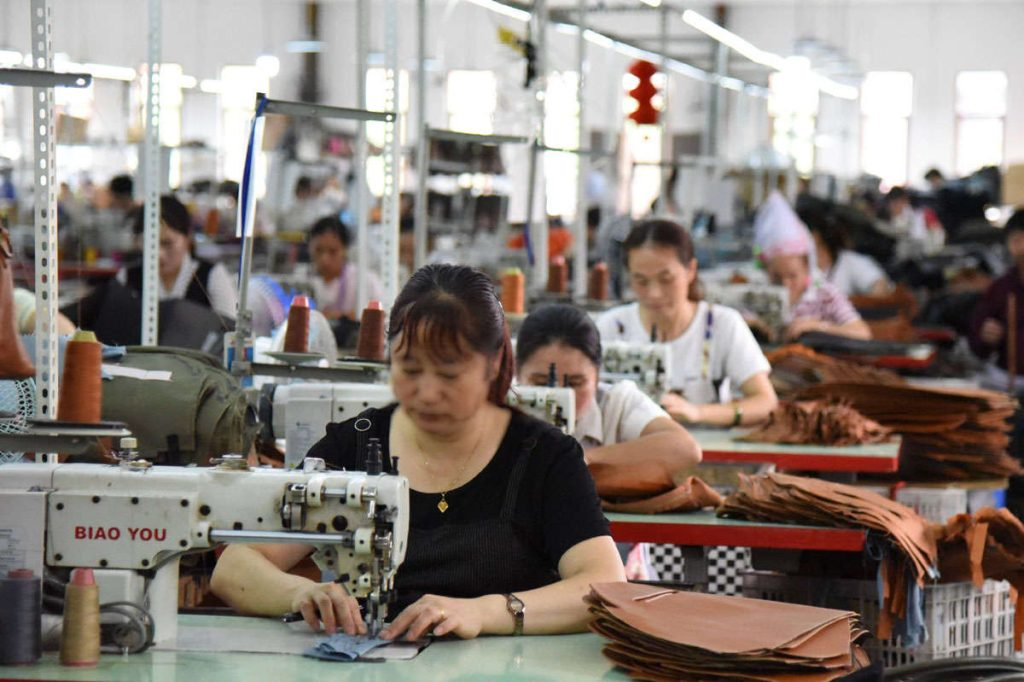
Inside a luxury leather goods factory in China

Not your knockoff cousin’s workshop.

The Real Barrier: The Luxury Industrial Complex

This isn’t about China. It isn’t even about fakes. It’s about control.

Today’s luxury market runs on a closed-circuit of influence. From runway coverage to retail leases to the front rows of Vogue-approved opinion, conglomerates like LVMH, KERING, and RICHEMONT own the narrative. If luxury is a religion, these companies are both the clergy and the book publishers.

What Tanner is really saying—when he dares to ask why a bag costs more than a semester at Yale—is that the price reflects not the item, but the fantasy. And fantasies, as it turns out, are expensive to maintain.

Independent voices rarely break through this narrative firewall. When they do, they’re usually absorbed, watered down, or stamped with a logo and sold back to you at triple the price. Just ask HELMUT LANG. Actually, don’t. He’s somewhere inside PRADA’s archive being repurposed for future capsule drops.

Don’t Believe in the $500 Birkin

If you think you’ve discovered the hidden gateway to authentic HERMÈS at wholesale prices, let me save you a customs headache. What you’ll find is a very convincing dupe, a slick PowerPoint, and a man with excellent lighting trying to sell you a story. It just won’t be the one you thought you were buying.

Luxury, at its core, is a performance. It relies on agreed-upon delusions. It’s couture cosplay with a price tag. The craftsmanship may be real, but the aura is curated with the precision of a Renaissance painting.

Tanner’s transparency is refreshing. But clarity doesn’t sell handbags. Fantasy does.

Looking to indulge in luxury brands without breaking the bank?