Made in Italy, Made in Silence: What’s Missing from the Tag

Made in Italy, Made in Silence: What’s Missing from the Tag

Luxury never lingers. It just pops.

“Pop-Up.” Quick, catchy, a little bit chaotic. But behind the whimsy lies a well-oiled machine: branded temples disguised as temporary fun, where fashion, art, and marketing blur into one glossy hallucination.

Made in Italy, Made in Silence: What’s Missing from the Tag

by Thea Elle | August 6, 2025 | Luxury Bags

“Made in Italy” once stood for more than just location—it symbolized craftsmanship, heritage, and integrity. It helped luxury giants like Gucci and Loro Piana command sky-high prices and global admiration. But recent investigations paint a different picture. Behind the luxury façade is a system propped up by hidden labor, often undocumented and exploited, with production costs that defy the values these brands claim to uphold. The illusion is cracking—and with it, consumer loyalty. As the truth comes into focus, more people are choosing ethics over exclusivity.
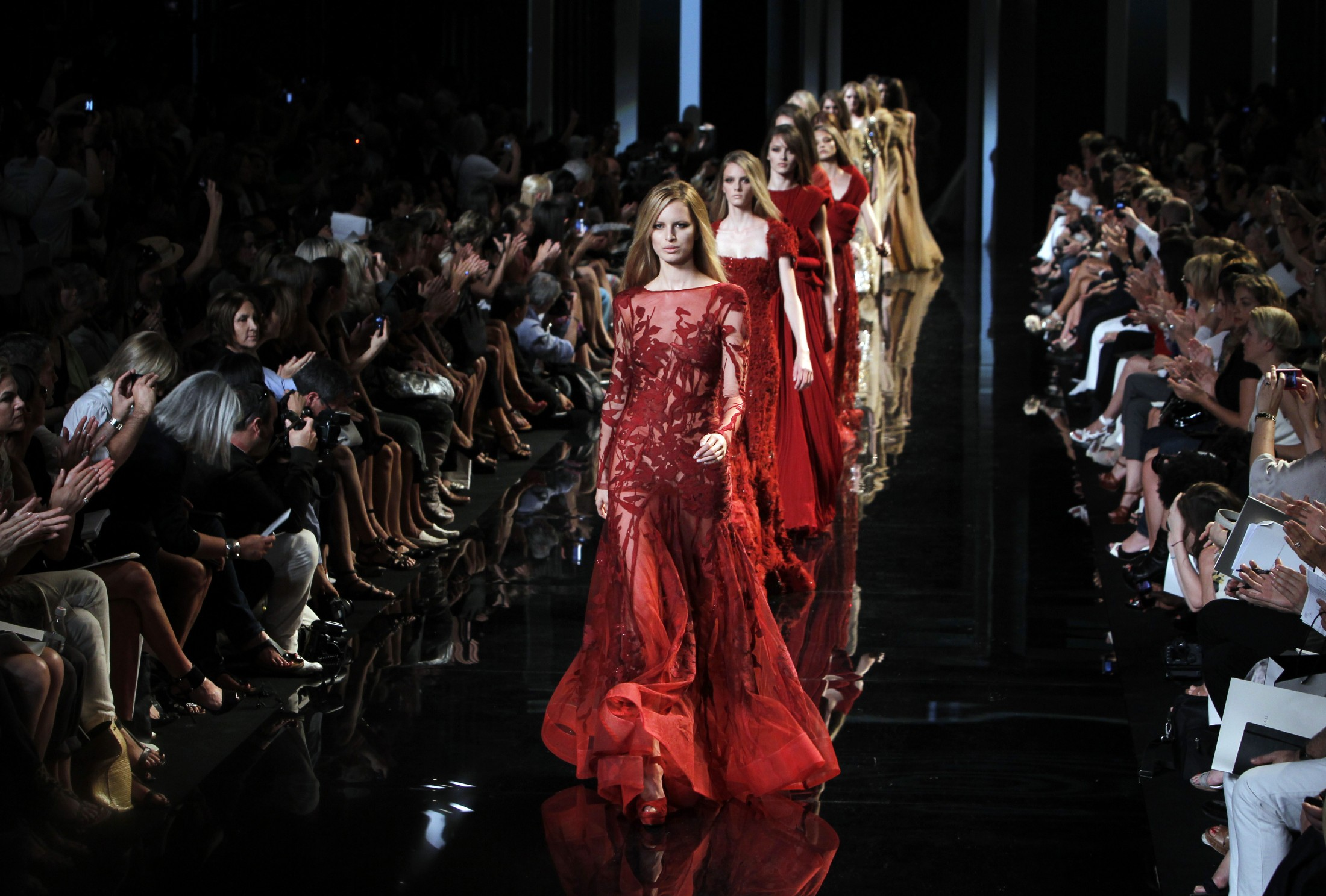
Luxury on the runway, stitched in silence. The true cost walks behind the curtain.

The Hidden Threads of Luxury

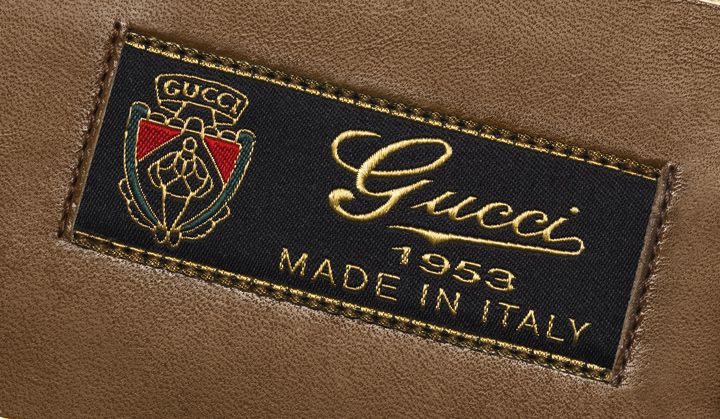
In the elegant showrooms of Milan and Rome, garments bearing the “Made in Italy” label command global admiration and steep prices. But in the backstreets of Prato, Tuscany, a different reality unfolds. Migrant workers from China and South Asia toil in makeshift factories, sewing for high-end brands like GUCCI and LORO PIANA for as little as three euros an hour. Many live and work in the same confined spaces, without contracts or protections, enduring long days under dangerous conditions.

Eventually, something changes. You stop buying for the rush, for the feed, for the version of yourself you’re told you should want. You stop These operations exist through complex subcontracting networks that allow major brands to maintain clean public images while quietly profiting from exploitation. Italian courts have begun to intervene—not because brands are running sweatshops directly, but because they’ve failed to prevent abuse within their supply chains. In a world where ethics matter more to consumers than ever, the illusion of luxury is beginning to fray.. You start noticing. The weight of the leather. The curve of a handle. The sound of a well-made zipper. You begin to want less, but better. One bag, chosen well, can do what five fast ones never will: stay relevant, get better, and always feel like yours. That’s not minimalism. That’s memory, function, and taste—woven together with time.
If you're a luxury brand enthusiast on a budget, check out PURSE POP UP LIVE. You will only find better deals, with up to 90% off retail on authentic, high-quality products. Trust our quality satisfaction guarantee and 99 % satisfied customers since 2018 speak for themselves. Take advantage of this hidden gem!
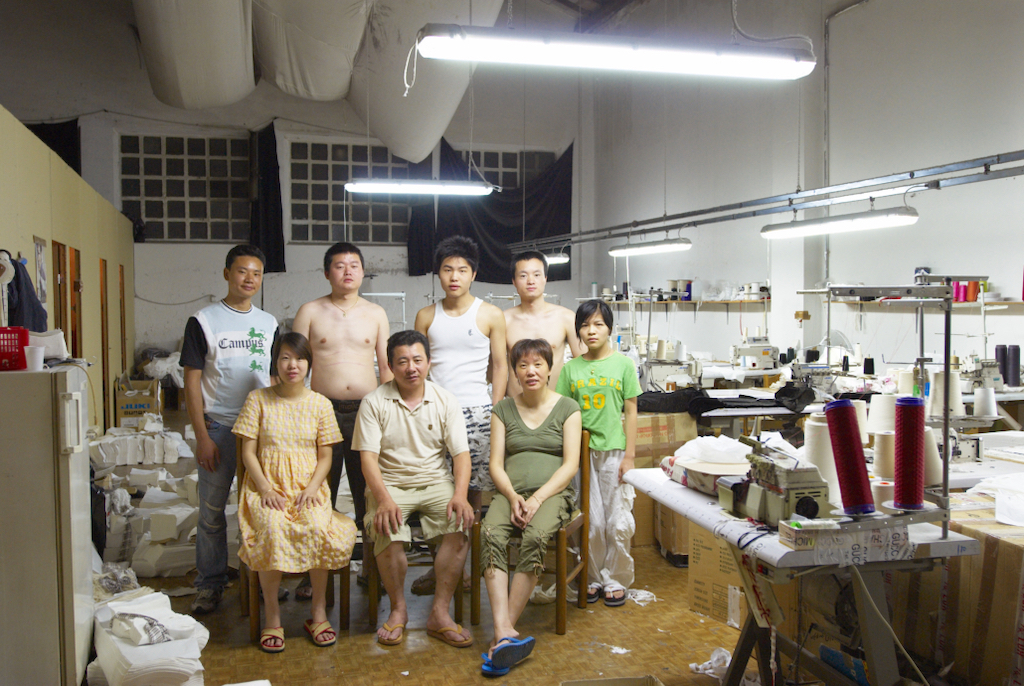
Behind the label: a sweatshop in Prato, Italy. Made in Italy doesn’t always mean made with dignity.

Behind the Markup

That €2,000 designer bag likely cost no more than €100 to produce. The rest of the price? It's not about craftsmanship or rare materials—it’s branding. In luxury fashion, value is constructed through exclusivity, marketing, and the emotional pull of prestige.

Consumers are sold a story more than a product. Through social media campaigns, red carpet placements, and aspirational advertising, brands shape a world where the label is often worth more than the item itself. The same bag might be made with tools and materials indistinguishable from those used for mass-market goods. As awareness grows, so does skepticism. Buyers are beginning to ask: What exactly am I paying for.

Quiet Luxury, Loud Consequences

CELINE’s minimalist bags promise timeless elegance, subtle luxury, and effortless style. But beneath the calm exterior is a brutal truth. In Italy’s hidden workshops, underpaid and undocumented workers stitch those same bags through 14-hour shifts, often sleeping feet away from their sewing machines.

These bags don’t cost thousands because of some artisanal miracle. They cost thousands because you’re subsidizing status—branding, ad campaigns, and curated exclusivity. Meanwhile, the people who make the product are erased from the story.

Rejecting that system doesn’t mean giving up on fashion. It means choosing brands that value transparency, fair labor, and honest pricing. Because style should be about expression, not exploitation.

“Made in Italy” under police scrutiny as authorities expose a sweatshop in Prato. The hidden cost of luxury.

Beyond the Label

Luxury labels thrive on perception. The branding is precise, the messaging consistent: their products are timeless, handmade, and rare. But in reality, many of these €1,500–€3,000 handbags are made in conditions no more ethical than the fast fashion they claim to stand above. In places like Prato, undocumented workers are paid exploitative wages to produce these high-ticket items under the guise of “Made in Italy.” The phrase still carries weight, but its meaning has been diluted by subcontracting and secrecy. Why does a simple leather bag cost more than most people’s monthly rent? Not because of the materials. Not because of the construction. It’s because branding, exclusivity, and perception have been weaponized to create artificial value.

Yet consumers are changing. They're no longer content with glossy images and runway theatrics. They want to know the story behind the product. They’re supporting ethical ateliers, small-batch creators, and businesses that show the human hands behind the work. They understand that fashion can still be luxurious, without being exploitative. Choosing better isn’t giving up. It’s standing up for fairness, for truth, for a version of style that doesn't depend on someone else's suffering. And that’s a much more radical and refined kind of luxury.
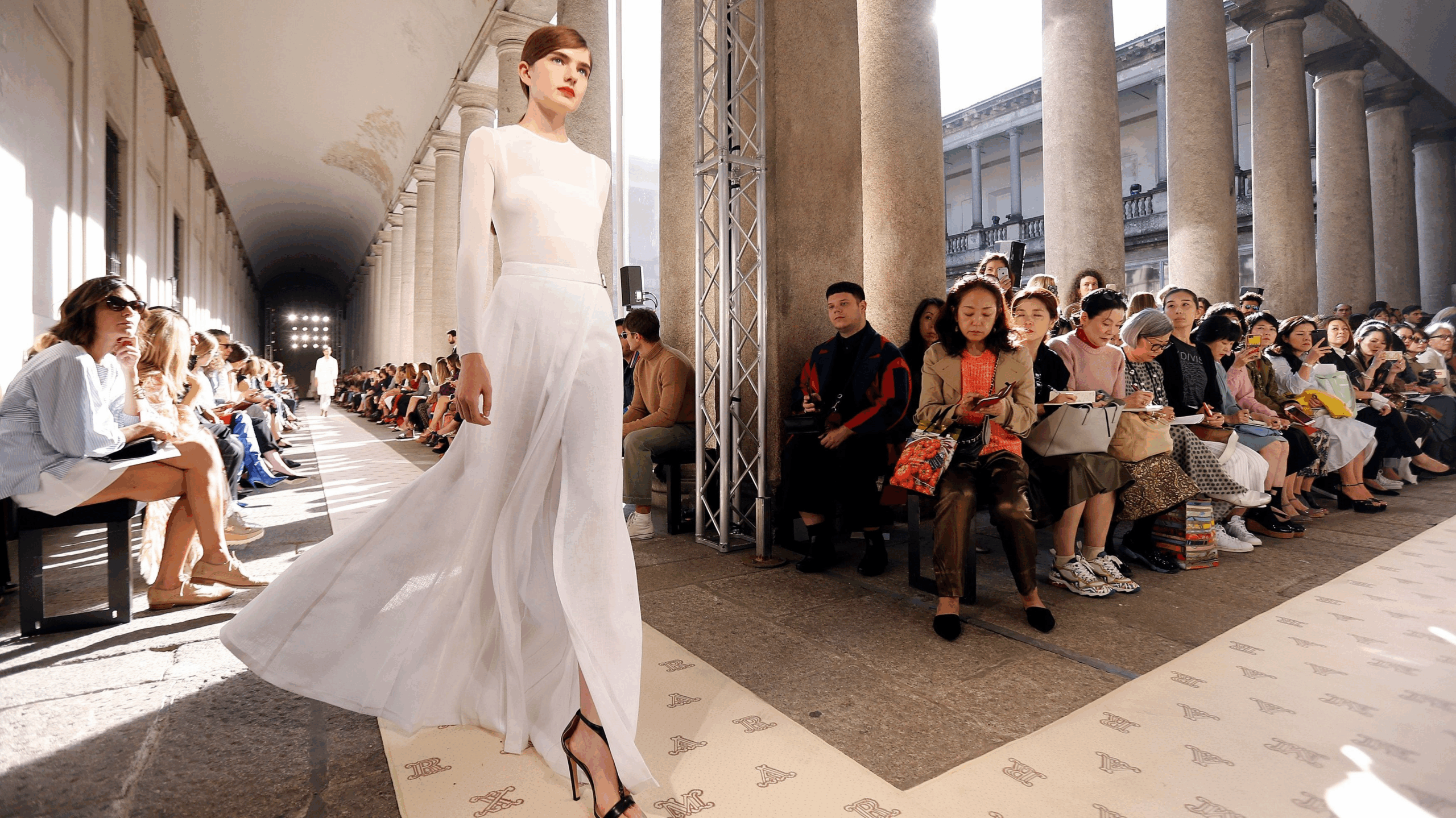
Spotlights and silk on the runway. But who pays the price for luxury?

What Prestige Won’t Tell You

There’s a reason luxury handbags cost thousands: they’ve been branded that way. Not because the materials are impossibly rare or the artisans paid a fair wage, but because prestige has become a product in its own right. What’s hidden behind the gloss is the often bleak reality of production—undocumented workers, grueling hours, and wages that hardly reflect the price tag.

This isn’t happening in distant factories alone. Many of these practices take place within Europe—particularly in Italy—where subcontracting allows big brands to outsource responsibility. The phrase “Made in Italy” still conjures images of excellence, but the conditions behind those three words are often anything but noble. We’ve arrived at a moment where consumers are paying more attention—and asking more questions. What is that price tag supporting? Who benefits? And who is being erased? As awareness grows, so does the demand for fashion that looks good and does good. Luxury doesn’t have to mean exploitation. It can mean ethics, craftsmanship, and care—if we choose to redefine it.
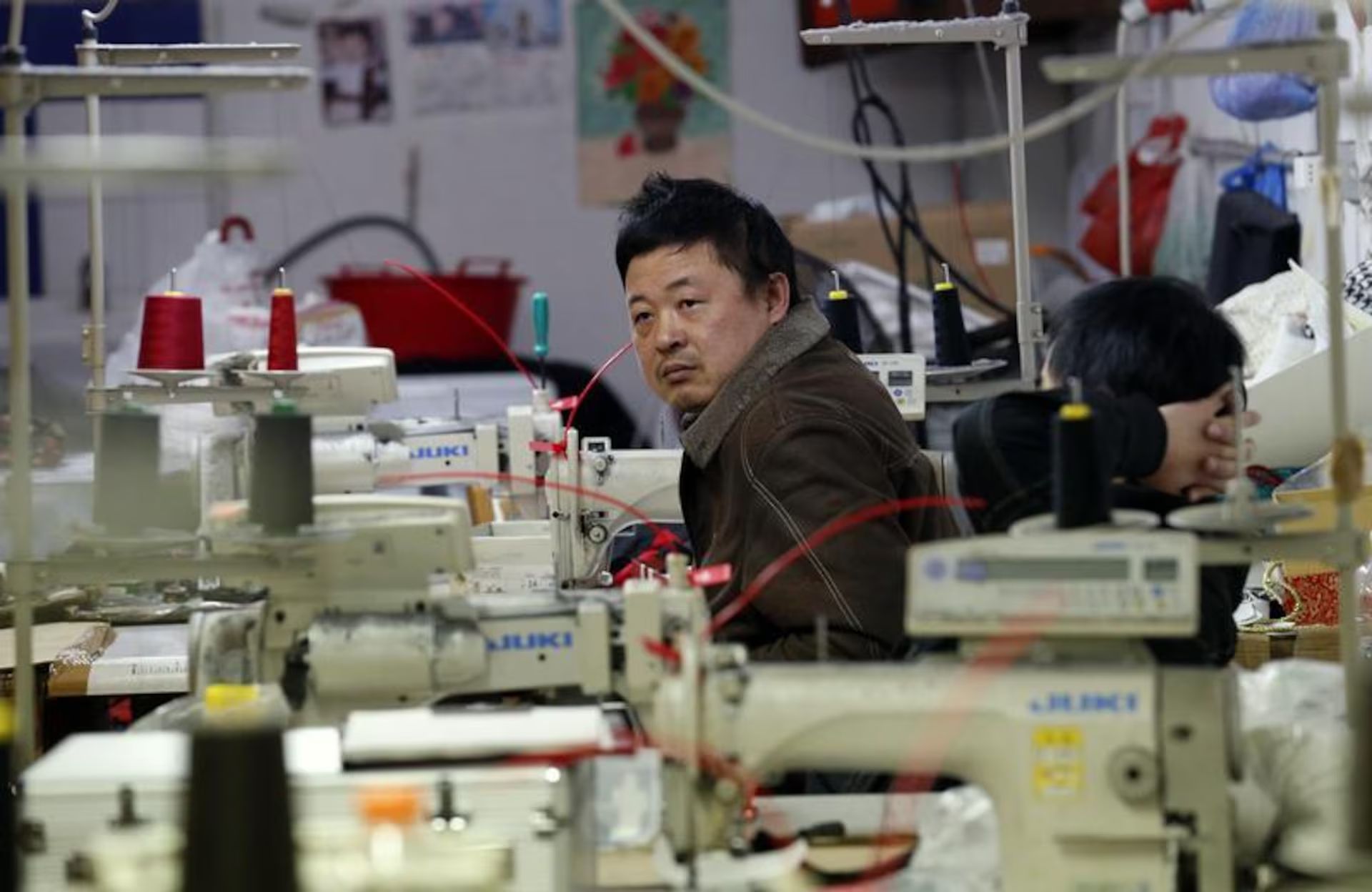
Hands that stitch luxury in silence. The unseen labor behind the label.

Your Style, Your Standards

With the illusion of prestige unraveling, consumers are discovering that good design doesn’t have to come with compromise. You don’t need a designer logo to wear something timeless, well-crafted, or beautiful. Alternatives are emerging—designed with intention, produced with care, and priced with integrity. They aren’t second-best. They’re the future of fashion built on truth, not tactics.
To choose better is to choose clarity over confusion, ethics over excess. It’s about backing brands that value the hands behind the product as much as the product itself. Real luxury is honest. It’s responsible. And it doesn’t ask you to turn away from the truth. Because when what you wear aligns with what you believe, no marketing campaign can compete with that kind of confidence.
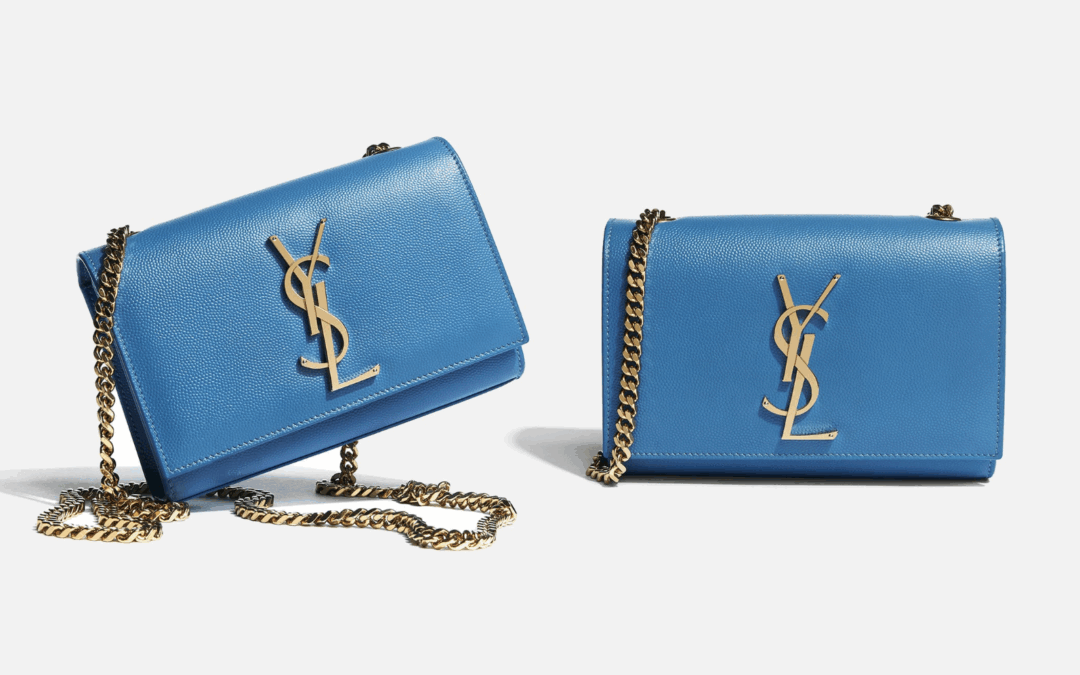
Looking to indulge in luxury brands without breaking the bank?
What You Don’t Own Can’t Own You.

What You Don’t Own Can’t Own You.

Luxury never lingers. It just pops.

“Pop-Up.” Quick, catchy, a little bit chaotic. But behind the whimsy lies a well-oiled machine: branded temples disguised as temporary fun, where fashion, art, and marketing blur into one glossy hallucination.

What You Don’t Own Can’t Own You.

by Thea Elle | July 29, 2025 | Luxury Bags

You probably don’t need another bag. But the feed thinks otherwise. A canvas tote here, a micro mini there, a puffed leather whim you’ll forget by next season. We don’t shop for utility anymore—we shop for distraction. The algorithm doesn’t want you fulfilled. It wants you scrolling. But less isn’t a sacrifice. It’s a choice. The decision to step out of the churn and into something built to last. One well-made bag can replace five that never felt quite right. The real flex? Knowing when enough actually is.

Woman wearing a teal blazer, yellow skirt, and holding a Dior handbag, smiling on a city street.

What Belongs, Stays

A truly good bag doesn’t need to make noise. It doesn’t rely on monograms, hardware, or hype. It speaks through quiet details—through its balance, its feel, its ability to hold not just what you carry, but how you carry yourself. It holds the practical things: your laptop, your keys, your lip balm. And the unspoken ones: your pace, your plans, your sense of readiness. It shifts with your day—commute to meeting, coffee to dinner—without asking for attention. It earns its place quietly, becoming a part of your rhythm. This isn’t about trends or status. It’s about design that knows when to lead and when to stay out of the way. It’s about something built with intention and built to last.

Eventually, something changes. You stop buying for the rush, for the feed, for the version of yourself you’re told you should want. You stop chasing. You start noticing. The weight of the leather. The curve of a handle. The sound of a well-made zipper. You begin to want less, but better. One bag, chosen well, can do what five fast ones never will: stay relevant, get better, and always feel like yours. That’s not minimalism. That’s memory, function, and taste—woven together with time.

If you're a luxury brand enthusiast on a budget, check out PURSE POP UP LIVE. You will only find better deals, with up to 90% off retail on authentic, high-quality products. Trust our quality satisfaction guarantee and 99 % satisfied customers since 2018 speak for themselves. Take advantage of this hidden gem!
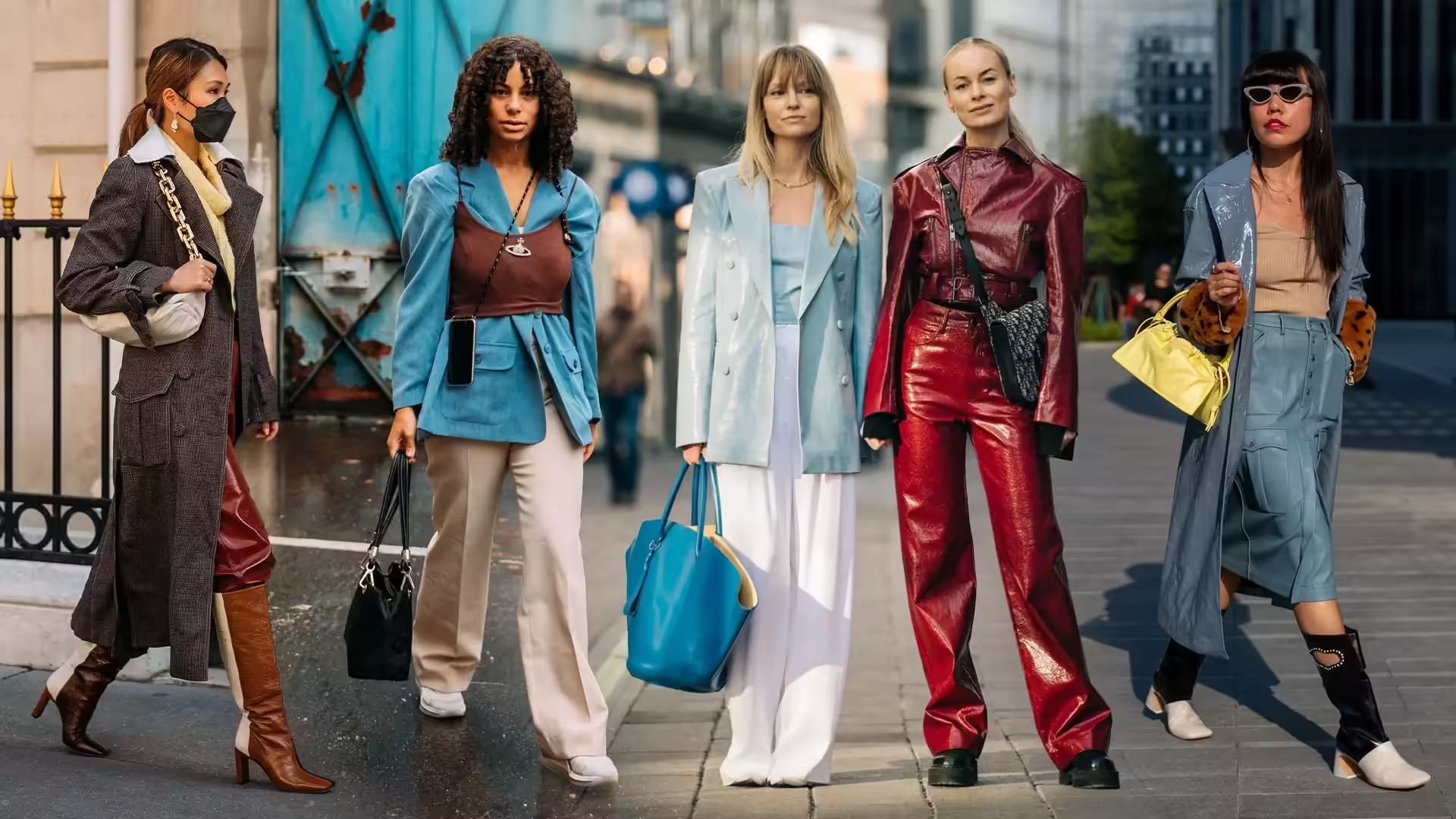
Group of women walking in stylish outfits and carrying different bags on a city street.

The Quiet Power of What Fits

There’s a moment—sometimes small, sometimes startling—when you realize you’re not shopping for joy anymore. You’re scrolling to keep up. To keep pace with the next drop, the next aesthetic, the next version of yourself you’re supposed to try on. Everything starts to feel loud. Same cuts. Same captions. The feeling of wanting fades into a low-level hum of obligation. You’re not choosing. You’re reacting.

And then something different appears. Not louder, not trendier—but clearer. It doesn’t promise to reinvent you. It just fits. Not just your outfit, but your rhythm. Your priorities. Your real life. It has structure and substance. A bag that carries your essentials without asking for your performance in return. A bag that grounds you.

Suddenly, you remember what it feels like to like something without needing it to mean anything. You remember your own eye, your own standards. You stop performing taste and start living inside it. The noise dims. You feel more certain—not because you bought more, but because you chose better.

That’s not just personal style. That’s personal clarity. That’s what real confidence feels like: quiet, sure, and yours.

Owning Less Isn’t Minimal. It’s Intentional.

Minimalism gets reduced to an aesthetic: stark spaces, neutral palettes, and a life edited down to the bare minimum. But that’s a misread. The point isn’t to own nothing—it’s to own with purpose. We live in a culture that equates more with meaning. More clothes. More trends. More identity through the lens of what you buy. But over time, that noise dulls your sense of self. You stop knowing what you actually like because everything looks like everything else. You stop choosing—you start reacting.

The shift happens when you decide you’re done with the blur. You stop chasing and start editing. You become selective—not out of scarcity, but out of self-respect. You begin to ask: does this feel like me? Will I still wear this when the trend moves on? And when the answer is no, you let it go. Intentional shopping isn’t restrictive. It’s radical. It reclaims your taste from the algorithm. It reintroduces you to your own preferences. It frees you to live in alignment with what actually matters. That’s not about having less. It’s about living better—with clarity, ease, and style that’s truly yours.

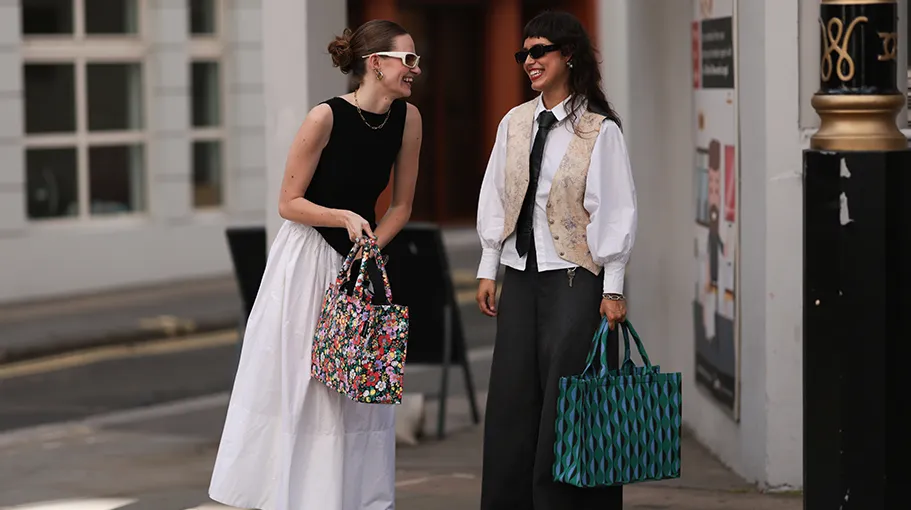
Two women smiling and laughing, wearing black and white outfits, holding colorful patterned bags.

Beyond the Algorithm: Dressing With Intention

The algorithm isn’t designed to serve your style. It’s designed to keep you scrolling. New arrivals, flash sales, sponsored influence—it all adds up to one message: you need more. But more doesn’t equal better. And most of it won’t last past the next swipe.

Real style doesn’t live on a feed. It lives in the pieces that stay with you. The heel that feels like it was made for your foot. The jacket that pulls every outfit together without trying. The bag that fits your things, your pace, and your priorities. These aren’t compromises. They’re clarity. They’re proof that you know what works for your life—not just your photo.

More than ever, owning quality is within reach. Second-hand luxury isn’t a niche—it’s a movement. And it’s reshaping how we think about value. Platforms are growing. Resale is normalized. You no longer need a limitless budget to access thoughtful design. Just confidence, curiosity, and a willingness to step off the trend treadmill.

Because style that outlasts the scroll isn’t about owning everything. It’s about owning what matters.


What You Carry Should Carry You

You don’t need more things. You need the right things. The pieces that don’t just fill space—but serve a purpose. The ones that support your life without asking for attention. When you stop chasing impulse buys and start making intentional choices, your style sharpens. Your wardrobe becomes less about trends and more about alignment.

Great design doesn’t shout. It stays. A bag that moves from early meetings to late dinners without missing a beat. A jacket that becomes your go-to not because it’s new—but because it always works. These aren’t just pieces. They’re tools. Anchors. They allow you to move through your day with more clarity, more ease, and less second-guessing.

The goal is not a closet full of options. The goal is a wardrobe full of decisions you don’t regret. That’s what makes a piece powerful—not how many compliments it gets, but how often it earns its place. You’re not settling. You’re focusing. And when you choose with that kind of clarity, you start to feel the difference—not just in how you dress, but in how you carry yourself.

Looking to indulge in luxury brands without breaking the bank?
Freedom on Sale: The High Cost of Wanting More

Freedom on Sale: The High Cost of Wanting More

Luxury never lingers. It just pops.

“Pop-Up.” Quick, catchy, a little bit chaotic. But behind the whimsy lies a well-oiled machine: branded temples disguised as temporary fun, where fashion, art, and marketing blur into one glossy hallucination.

Freedom on Sale: The High Cost of Wanting More

by Thea Elle | July 27, 2025 | Luxury Bags

Your life is a mood board of restraint. You drink single-origin pour-overs, wear sun-faded knits, and speak fluent minimalism. You believe you’ve opted out of consumer culture’s chaos and chosen clarity instead. But the stillness begins to feel staged. And somewhere between the oat milk and organic linen, a thought breaks through: what if your good taste is just another leash? Luxury today doesn’t sell you excess. It sells you identity. Not loud, but knowing. Not obvious, but optimized. You’re not immune to the system. You’re the target audience—its most prized recruit. You don’t need to escape luxury. You need to recognize its new shape. Because the most seductive form of control is the one that makes you feel free.

The new status symbol is a pastel cart, a perfect scoop, and a logo you can lick.

Your Taste Was Manufactured

It starts with a scroll. A reel here, a story there. A celebrity with a bag the size of a coin purse. An influencer holding a cup that costs more than your groceries. It’s funny at first—absurd. But then it happens again. And again. And something shifts. You stop laughing. You start liking. You start wanting. This is not coincidence. This is the system working exactly as it was built. Your desires are not accidents. They are cultivated by design. A strategy fine-tuned to create longing, to trigger envy, to offer relief in the form of ownership.

You tell yourself it’s personal. That you’re drawn to quality. To niche brands. To pieces that reflect your personality. But your “uniqueness” was mass-produced—just segmented into a more curated aesthetic. The exclusivity you cling to is just another market tier. The thrill of the find? Engineered. And the price tag? That’s not the barrier. That’s the feature. It signals taste. It repels the uninitiated. It’s not about what the item does, but who it keeps out—and what it lets you signal when you carry it. This is how the machine wins. Not with brute force, but with seduction. It offers you a version of yourself you’re proud to display. It makes you feel like an insider. And while you bask in that glow, it quietly turns your identity into inventory.

If you're a luxury brand enthusiast on a budget, check out PURSE POP UP LIVE. You will only find better deals, with up to 90% off retail on authentic, high-quality products. Trust our quality satisfaction guarantee and 99 % satisfied customers since 2018 speak for themselves. Take advantage of this hidden gem!
FENDI’s Roman Holiday Scoops

From Drop to Drop: The Consumer on a Leash

We don’t chase the item — we chase the feeling. That dopamine jolt when you beat the odds. That flash of superiority when your friends notice what’s on your feet or your wrist or your feed. In the cult of the limited edition, the item itself almost doesn’t matter. What matters is that not everyone has it. What matters is the chase. This model has infected everything — sneakers, handbags, watches, even water bottles. The scarcity playbook is simple: create artificial demand, manufacture urgency, and let the community do the rest. Blogs, Twitter threads, Discord groups, resale apps — all of them co-sign the illusion that something rare is inherently better. That owning it proves you’re in the know, ahead of the curve, deserving.

But here’s what they don’t say: the loop never ends. As soon as one drop is over, the next is already on the horizon. What was “it” last week becomes passé in a month. And you’re left constantly refreshing, constantly comparing, constantly spending — not for joy, not even for utility, but to keep up appearances in a game designed to exhaust you. The problem with scarcity as a lifestyle is that it makes you forget what enough feels like. It blurs the line between interest and addiction. And worst of all, it convinces you that the stress is worth it. That the chase is character-building. That belonging comes with a price. The product doesn’t free you — it owns you.

GUCCI made gelato the new luxury must-have. One pastel scoop at a time.

Trapped in the Loop of More

At first, it feels like fun — the thrill of finding the perfect piece, the dopamine of a drop, the comfort of knowing you're on trend. Buying is rebranded as self-care. Acquiring is framed as empowerment. But over time, it becomes harder to tell where enthusiasm ends and anxiety begins. Because the real product isn’t the object in the box. It’s the feeling that without it, you’re falling behind. What used to be a treat becomes a ritual. What once felt indulgent now feels like maintenance. There’s always a newer version, a limited colorway, a better collaboration. The language of choice masks a kind of quiet coercion: If you don’t upgrade, evolve, refresh — are you still enough?

And so, you keep going. Not because you’re greedy, but because you’re afraid to be forgotten. Afraid to sit still in a world moving at algorithm speed. The cycle rewards you for staying plugged in, always scanning for the next thing to elevate, optimize, perfect. But the cost is mounting. Not just in dollars, but in bandwidth, in clarity, in peace. Eventually, you realize: this isn’t freedom. It’s debt disguised as identity. It’s marketing masquerading as meaning. And until you step off the loop — until you learn to want less — you’re not really living. You’re just participating.

PRADA’s Conceptual Cone

The Elegance of Restraint

In an economy built on urgency and excess, true rebellion wears a quieter face. It doesn’t reject beauty, but it redefines it. A new kind of consumer is emerging — one who still appreciates great design, quality, and even luxury, but approaches it with precision and purpose. This is not about opting out. It’s about opting better. This thoughtful rebellion resists the default setting of “more.” It questions the rush of constant upgrades, the worship of scarcity, and the allure of the trending. In its place, it cultivates discernment: buying fewer things, but better ones. Spending not for status, but for satisfaction. It seeks longevity in a culture obsessed with the moment. Substance in a market that thrives on spectacle.

The new rebels are curators of their own desire. They are not anti-fashion or anti-consumption — they are anti-frenzy. They understand that the truest form of elegance isn’t in what you display, but in what you decline. And in a system that demands your constant attention and appetite, there is something deeply powerful about simply walking away — with intention, with awareness, and with style.

Rose on the tongue, jasmine in the air. DIOR turned ice cream into a love letter to femininity.

The Quiet Exit from the Cult of More

You’ve played the game — tastefully, masterfully. You’ve known the right drops, worn the right layers, picked the right “quiet” logos. But somewhere, the curated lifestyle starts to feel like a script you didn’t write. The rituals lose their spark. The chase becomes noise. And the question lingers: Is this really freedom? Maybe freedom isn’t about owning better. Maybe it’s about wanting less. Not because you’re rejecting beauty or craftsmanship, but because you’re done being baited by them. Because what used to be a love of form has morphed into a hunger for validation. And what once felt expressive now feels compulsive.

To choose freedom over fetish is to reclaim your autonomy from the market’s endless whisper. It’s remembering that your value isn’t tied to what you own, how you style it, or how fluently you speak the language of luxury. Sometimes the most radical act isn’t to strip everything away, but to ask — What do I actually need? Then listen. Then walk away.

Looking to indulge in luxury brands without breaking the bank?